


Federal Hemp Policies — What’s Happening and Why?
You may have seen the recent hemp provision included in the federal government funding package that will eventually ban or significantly curtail hemp derived consumable products once it goes into effect.
Although this language was added late in the process and stayed in the final bill despite efforts from Senators Paul and Cruz, it has since sparked strong bipartisan discussion. Several lawmakers—including Rep. Crenshaw—have already emphasized that this is fundamentally a states’-rights issue. That awareness and early pushback are encouraging, even if they don’t change the immediate text of the bill.
Is Hemp Federally Legal Today?
Yes. Importantly, the legislation includes a one-year runway before taking effect, so as of today there are no changes to the legality or availability of hemp products as defined by the Farm Bill in 2018.
When the policy goes into effect in November 2026, it would significantly narrow what qualifies as legal hemp consumables at the federal level. If it were implemented exactly as drafted, states would ultimately decide whether to maintain, expand, or restrict their individual hemp programs. Some might tighten regulations, but many—particularly those with established cannabis programs—would likely fold hemp into existing cannabis frameworks or regulate it in similar fashion.
The more realistic scenario over the next year is constructive reform. Industry groups now have a clear timeframe to help shape a rational, evidence-based federal hemp policy.
Why Did This Happen?
There are a plethora of reasons behind this legislative initiative. Yes, hemp is disruptive to several longstanding economic sectors in addition to cannabis industry, which is very fragmented and relegated to licensed markets. And, hemp generates billions of dollars in revenue annually and employs thousands of people across the US; however, regulation is very important to it’s future success.
There is absolutely no question that this is long overdue: ultra-high-dose products shouldn't be on shelves; hemp vending machines shouldn't be accessible to minors; testing standards and quality controls need to be consistent; synthetics require real oversight; and bargain-bin gummies with questionable potency and purity aren’t good for consumers or the industry.
This legislative pause gives everyone—from regulators to responsible brands—an opportunity to build a better, safer system. While prohibition is a theoretical risk, it is not the outcome most credible stakeholders are expecting.
What Does the Future of Hemp Look Like?
We’ve been in direct conversations with industry leaders, financial organizations and the lobbyists working with policymakers. Their expectation is that a final federal framework will be developed over the next year with the following provisions:
- Reasonable THC-per-serving limits (likely near 5mg)
- Limits or bans on synthetics
- Packaging, testing, and quality guidelines
- Potential integration of distribution into the well-established three-tier alcohol system, driven largely by the spirits industry
These are welcome changes to the law and several could meaningfully strengthen the overall category.
Where is the Market Going?
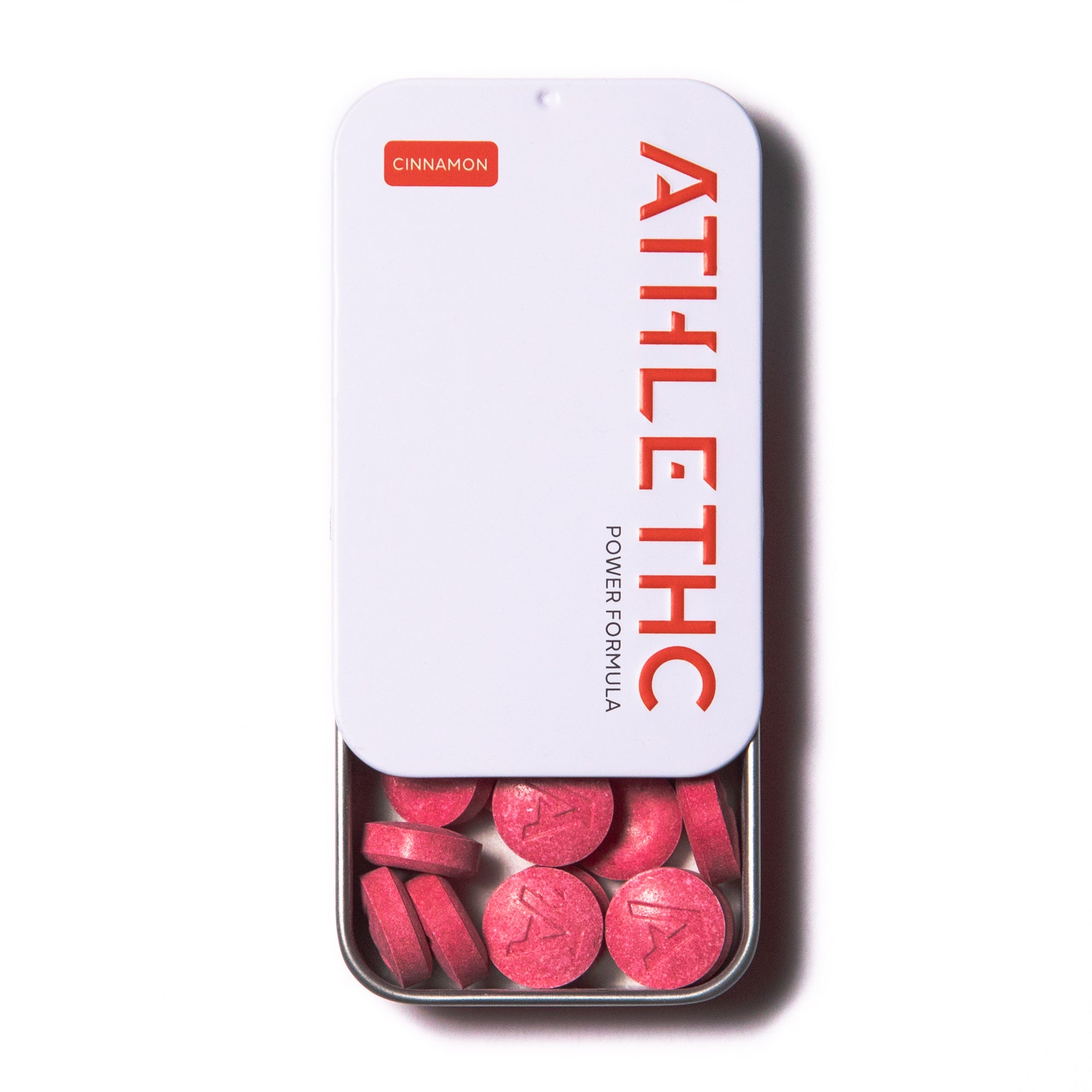
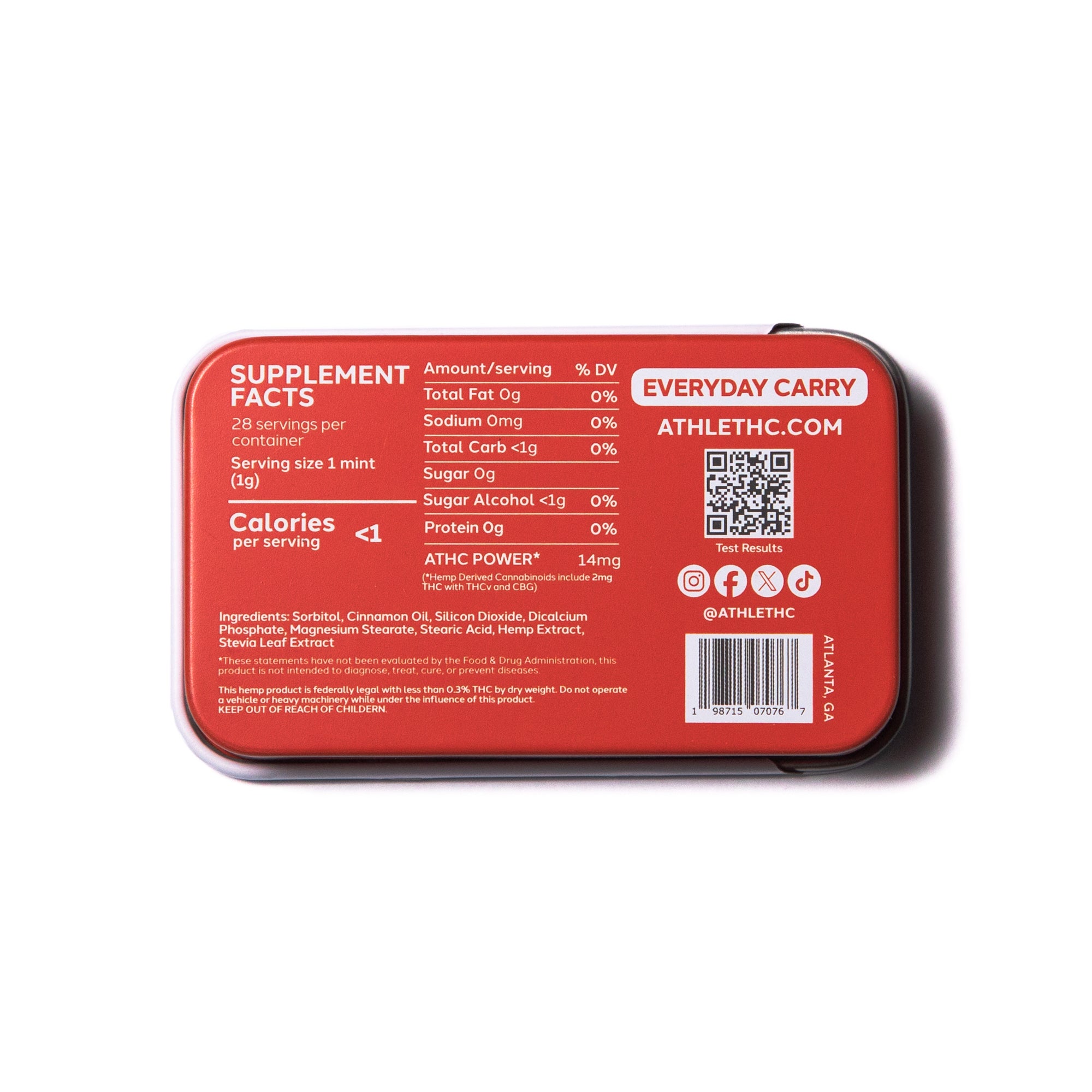
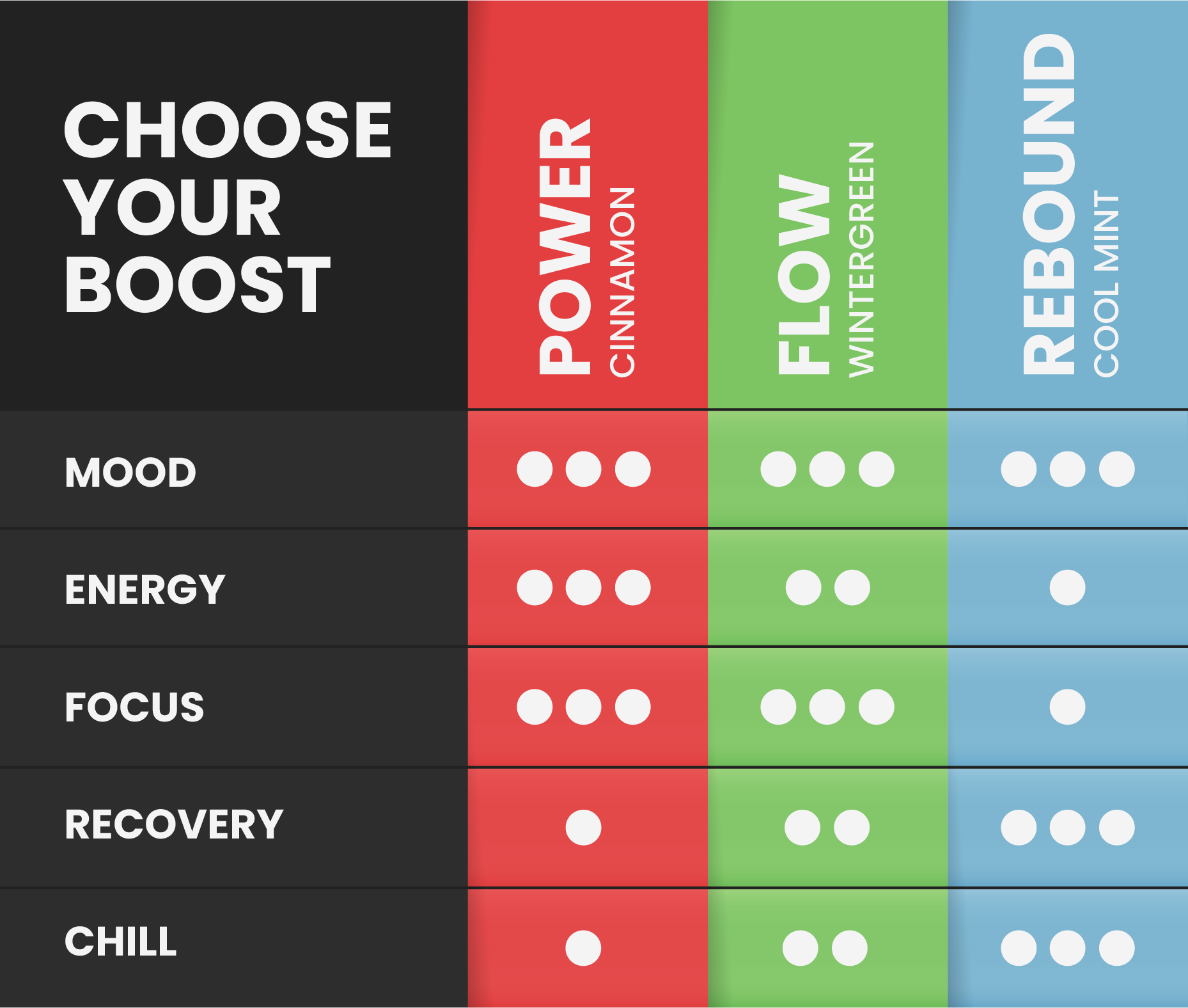
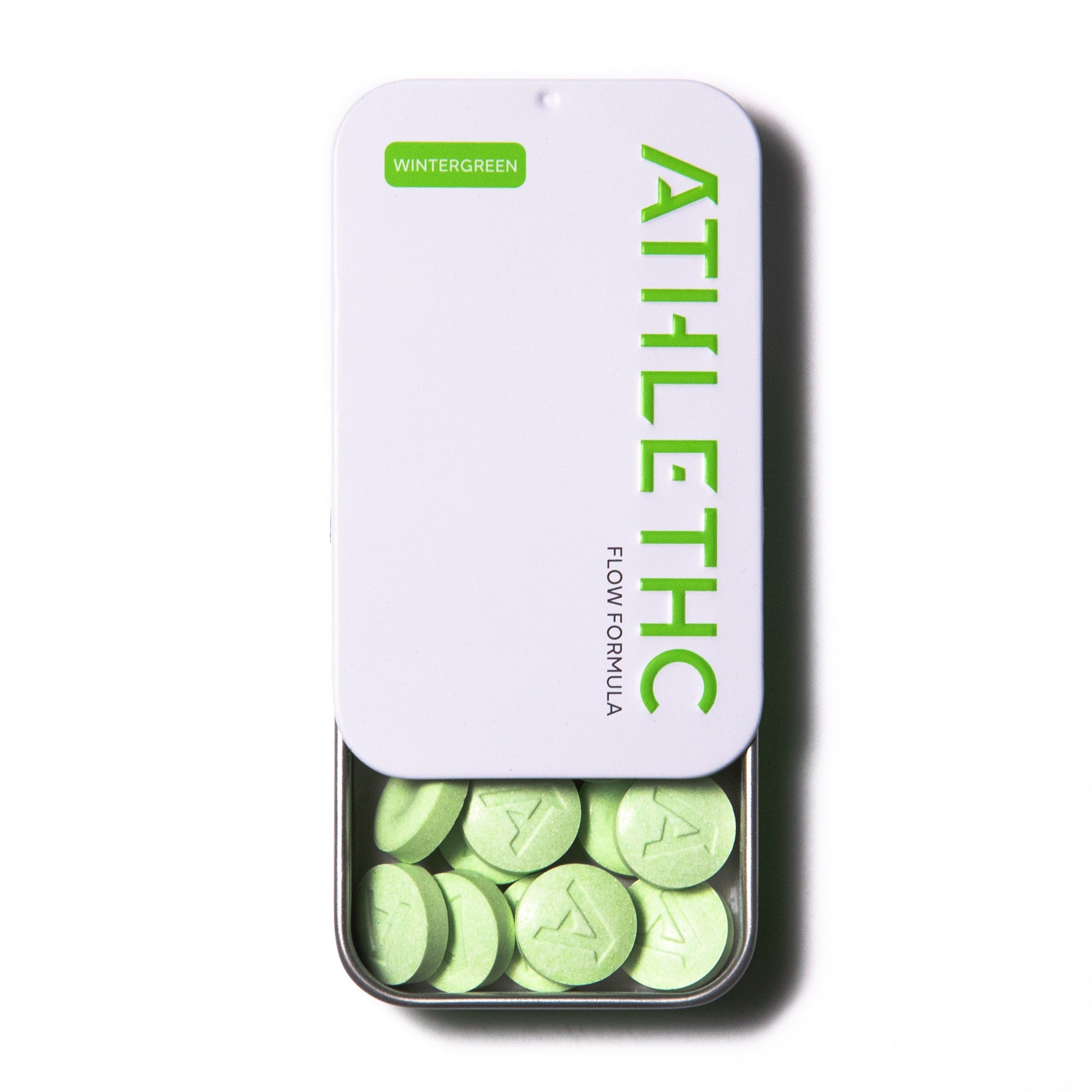
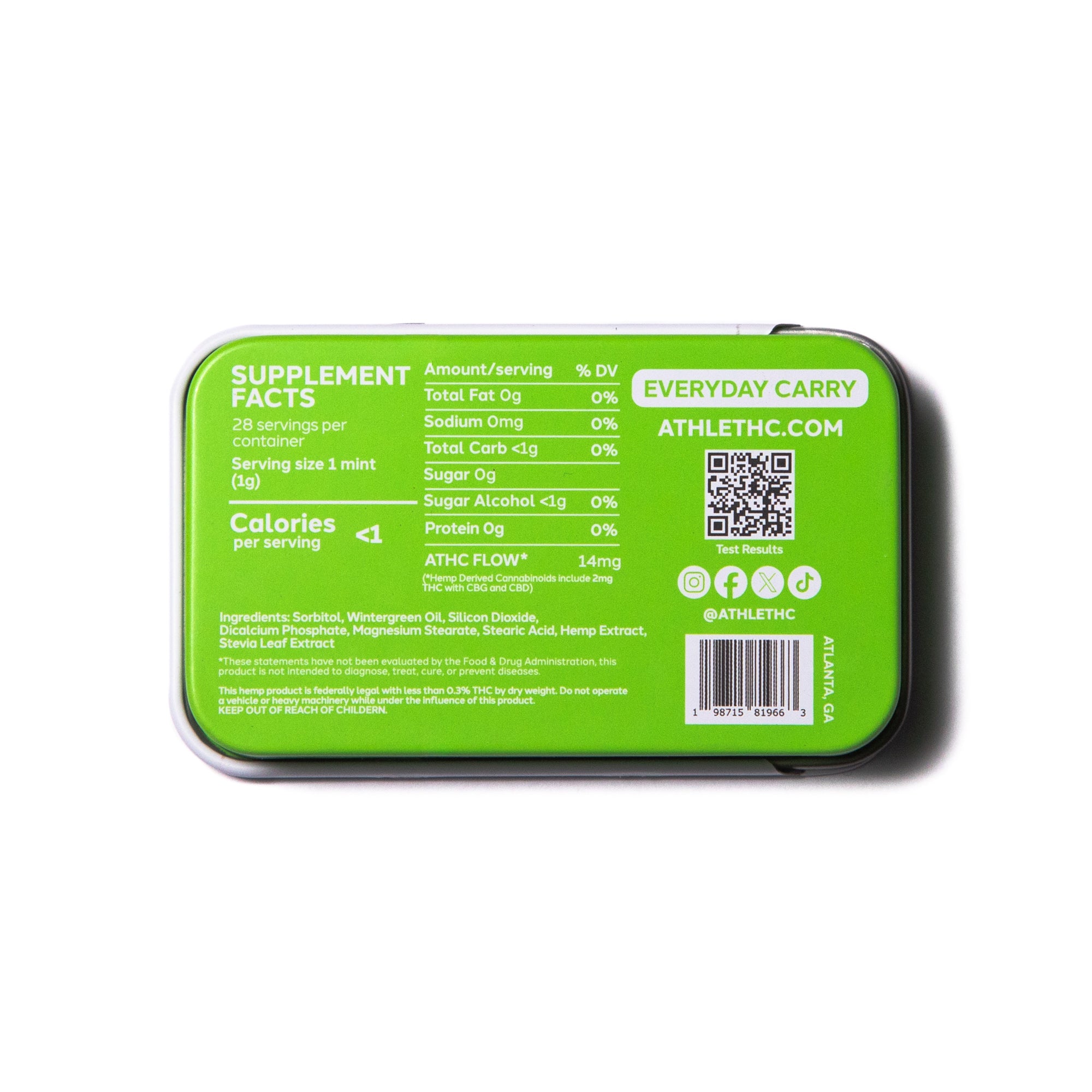
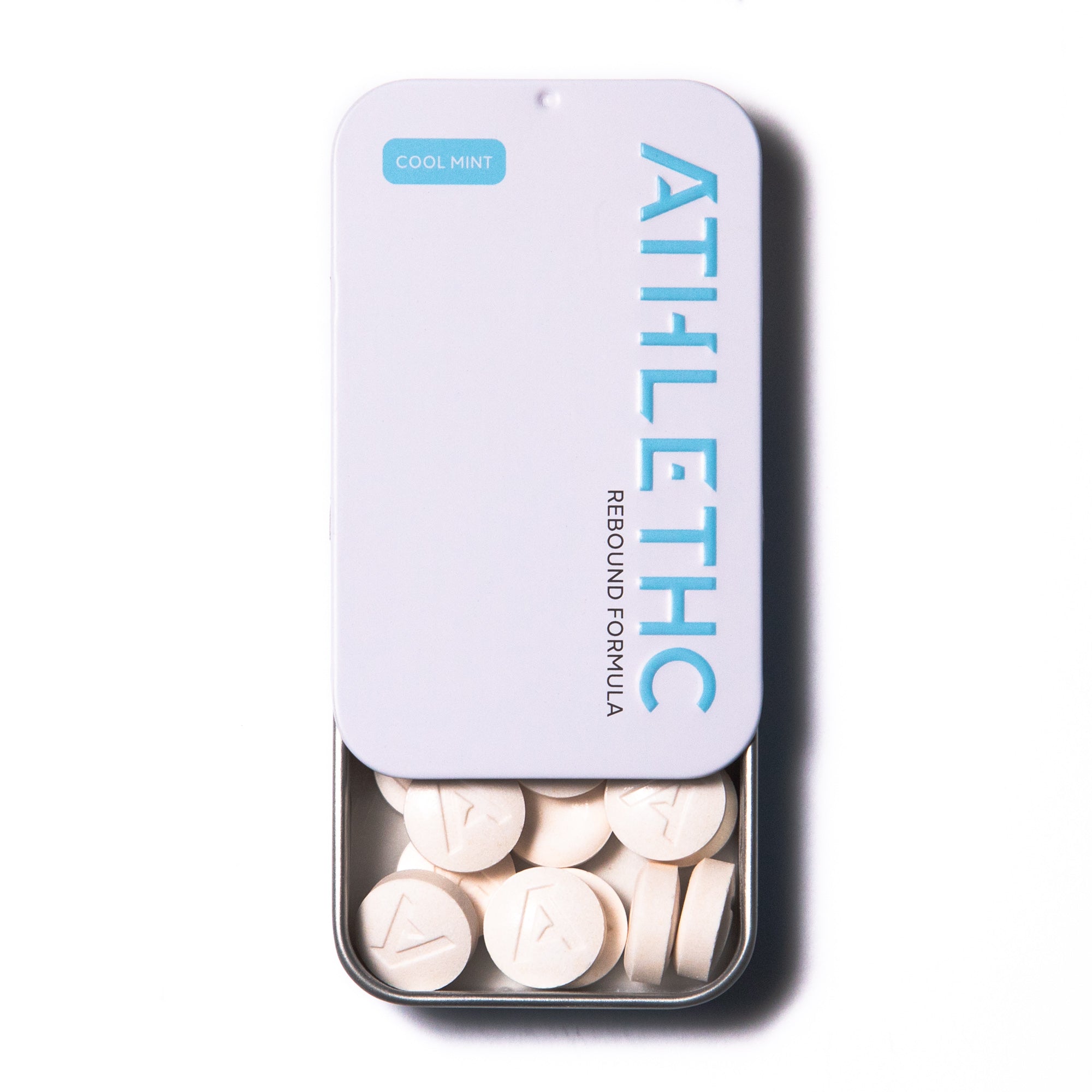
ATHLETHC is a micro-dose, health-and-wellness brand, and our products will fall naturally within the likely federal dosing guidelines. This is our sweet spot.
Consumer demand remains strong and resilient. Younger consumers, in particular, are intentionally shifting away from alcohol and leaning into low-dose THC products for wellness, recovery, and performance. This trend will not be slowed by legislative wrangling in D.C.
Even under a federal hemp ban, our products will be available in states with authorized hemp programs…which is a lot of places.




Crushing the Day - An interview with Courtside Les
"Is weed a performance enhancing drug?" - ATHLETHC on Freakonomics Radio