


What is the Runner’s High?
If you’ve ever felt that wave of euphoria, clarity, and peace after a hard miles-long run or a focused lifting session, you’ve likely been told it’s an "endorphin rush."
It’s a great story, but research indicates this explanation is scientifically incomplete.
The Barrier to Bliss
Endorphins are the body’s natural feel-good chemical—they are incredible at dulling physical pain in your muscles. However, there is a catch: endorphins are too large to cross the blood-brain barrier. This means the endorphins in your blood stay in your body; they can’t reach your brain to change your mood.
So, if it’s not endorphins making you feel "high," what is?
Meet the Bliss Molecule: Anandamide
The problem: Beta-endorphins are large peptide molecules produced by the pituitary gland. While they circulate in the blood to help dull muscle pain (analgesia), they are too "bulky" to cross the BBB. Therefore, they cannot be responsible for the central euphoric and anxiolytic (anxiety-reducing) effects of a runner’s high.
Research suggests that the real driver behind the runner’s high is your Endocannabinoid System (ECS). When you exercise at a moderate intensity (around 70–80% of your max heart rate), your body begins producing high levels of anandamide.
Anandamide is an endocannabinoid—a chemical your body produces naturally that mimics the effects of THC. Because it is fat-soluble, it slips right past the blood-brain barrier and binds to the CB1 receptors in your brain. The result? Reduced anxiety, a sense of "oneness," and a deep, calm euphoria.

Training Your ECS
At ATHLETHC, we believe the best performance comes from working with your biology, not against it. You can actually "train" your endocannabinoid system to be more responsive.
-
Find the Zone: Aim for 20–40 minutes of steady-state effort where you’re working hard but can still maintain a (breathless) conversation.
-
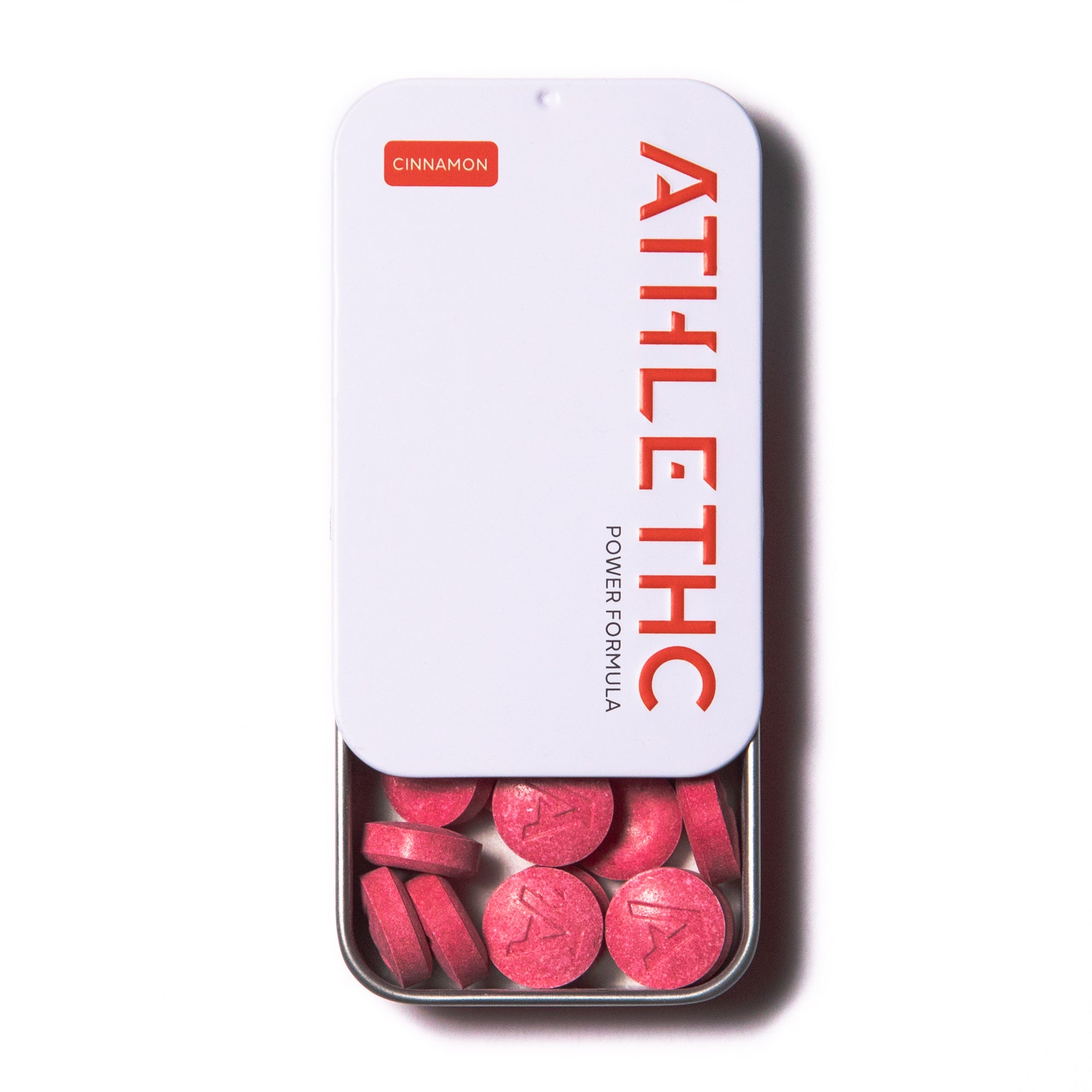
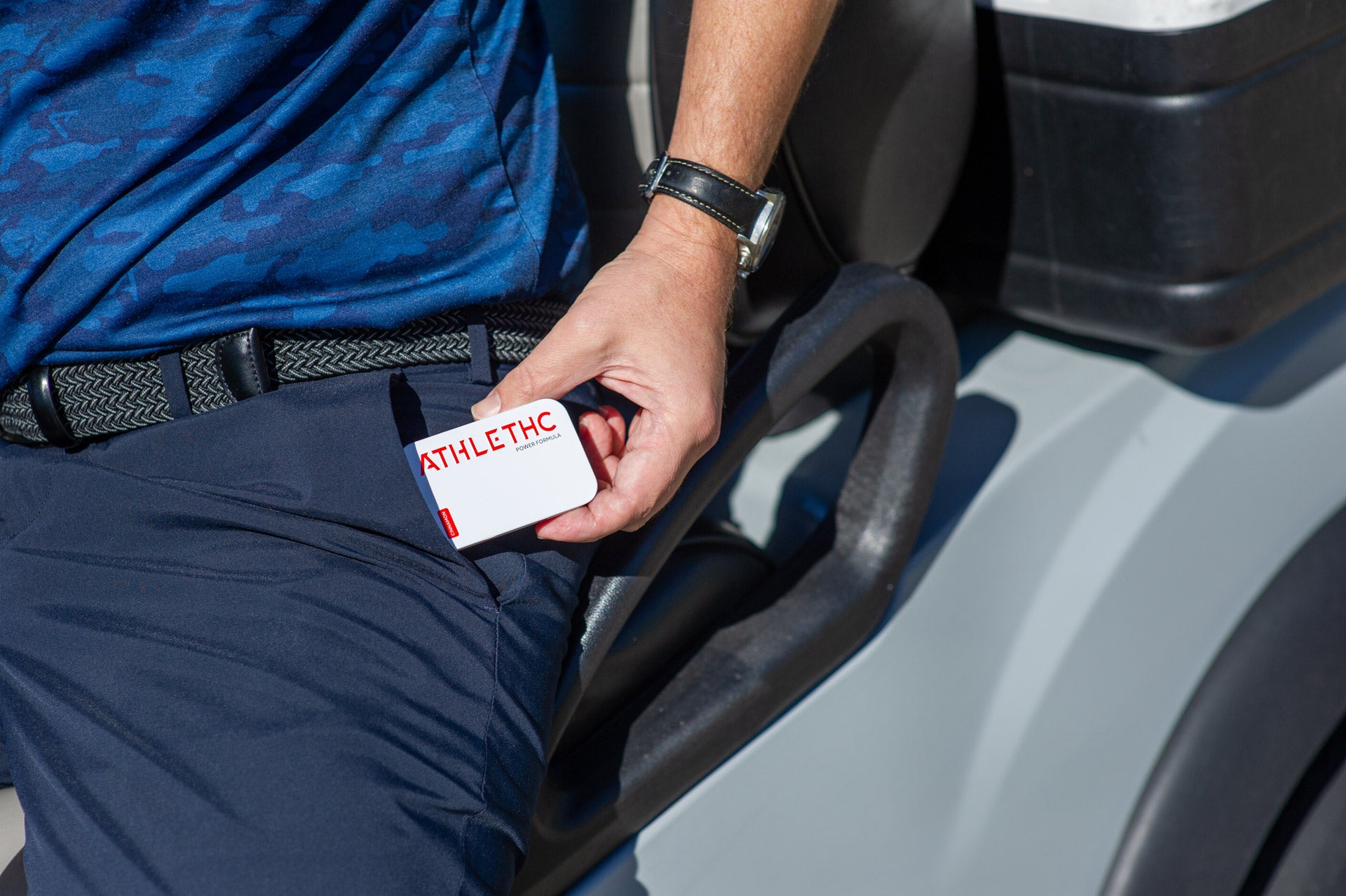
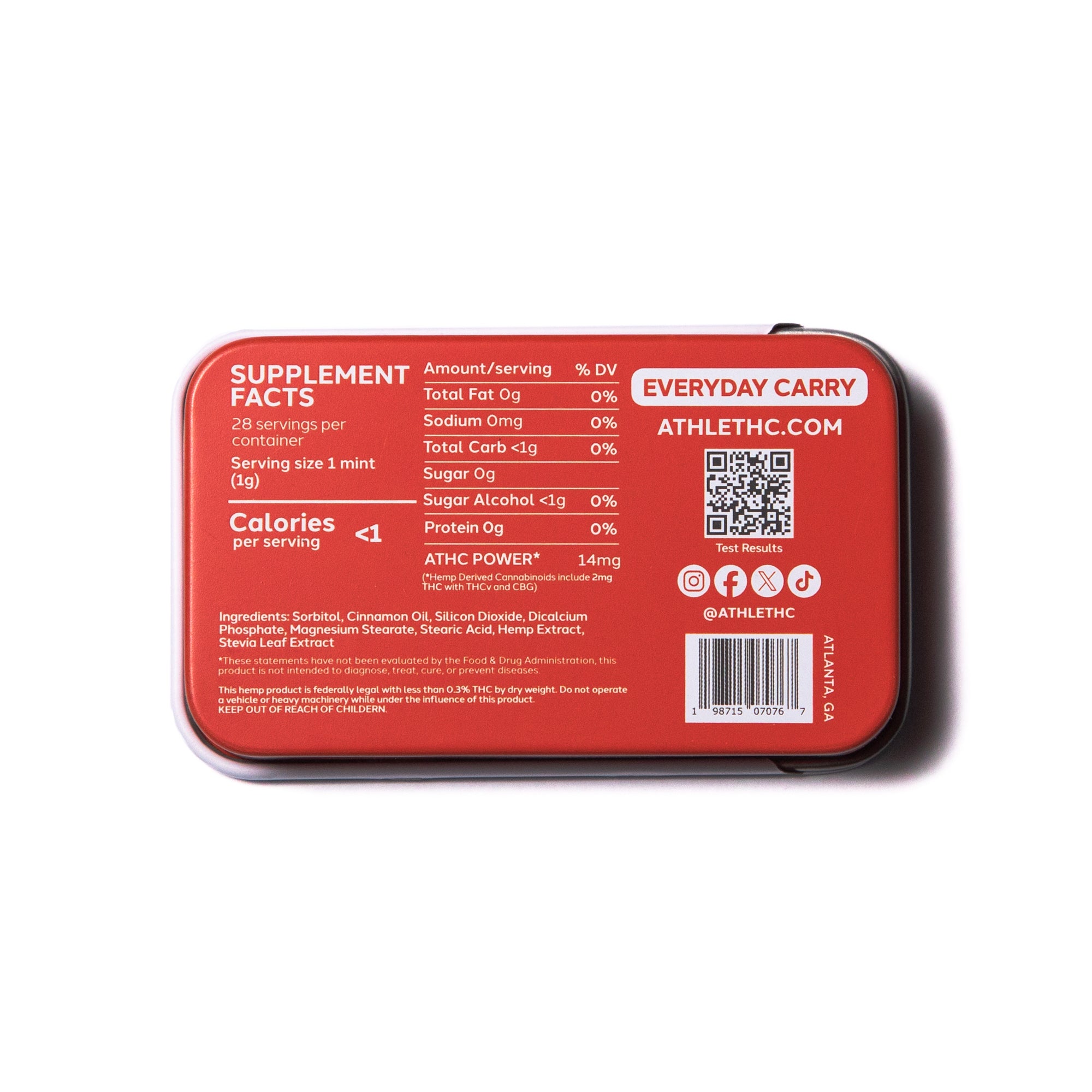
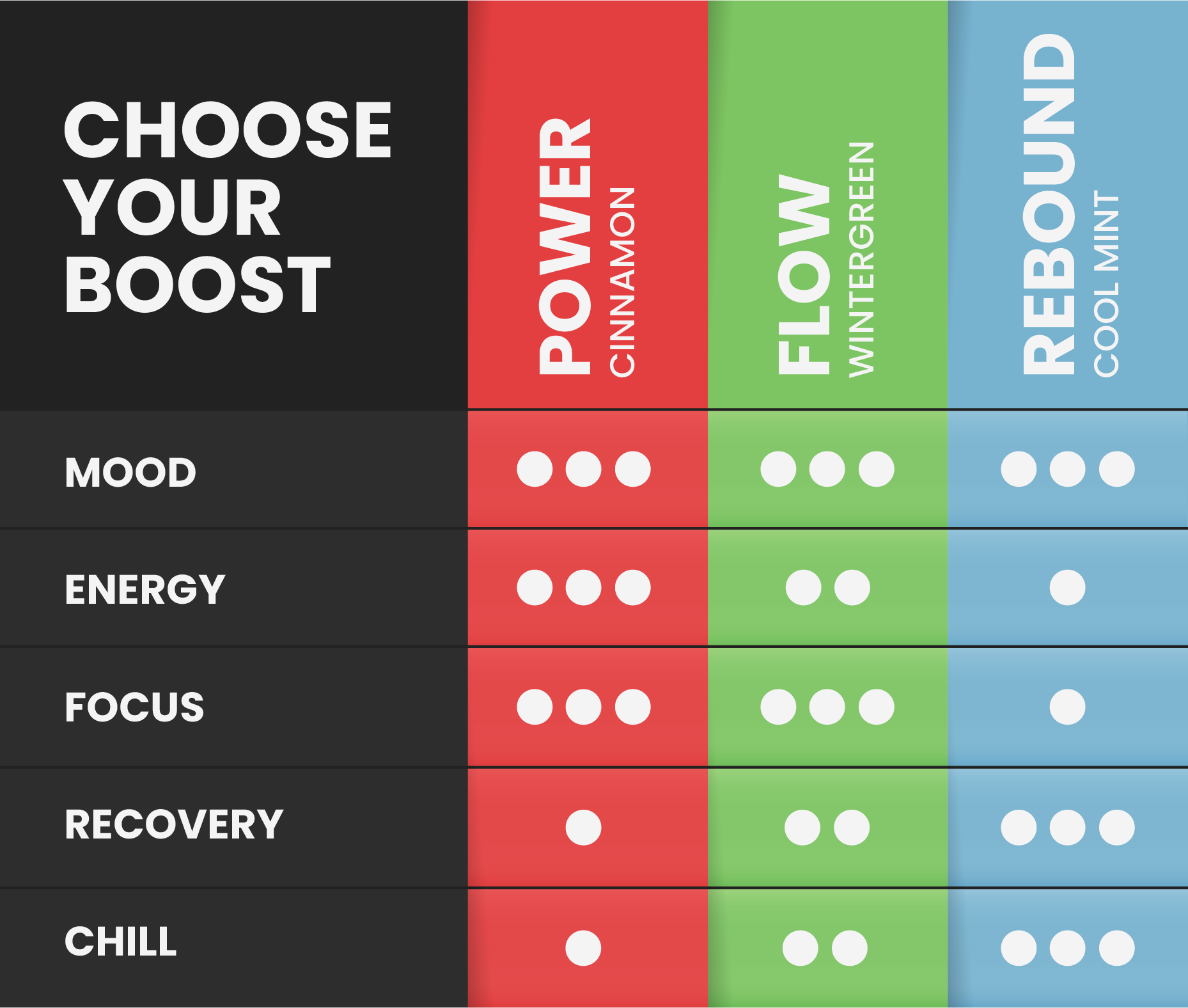
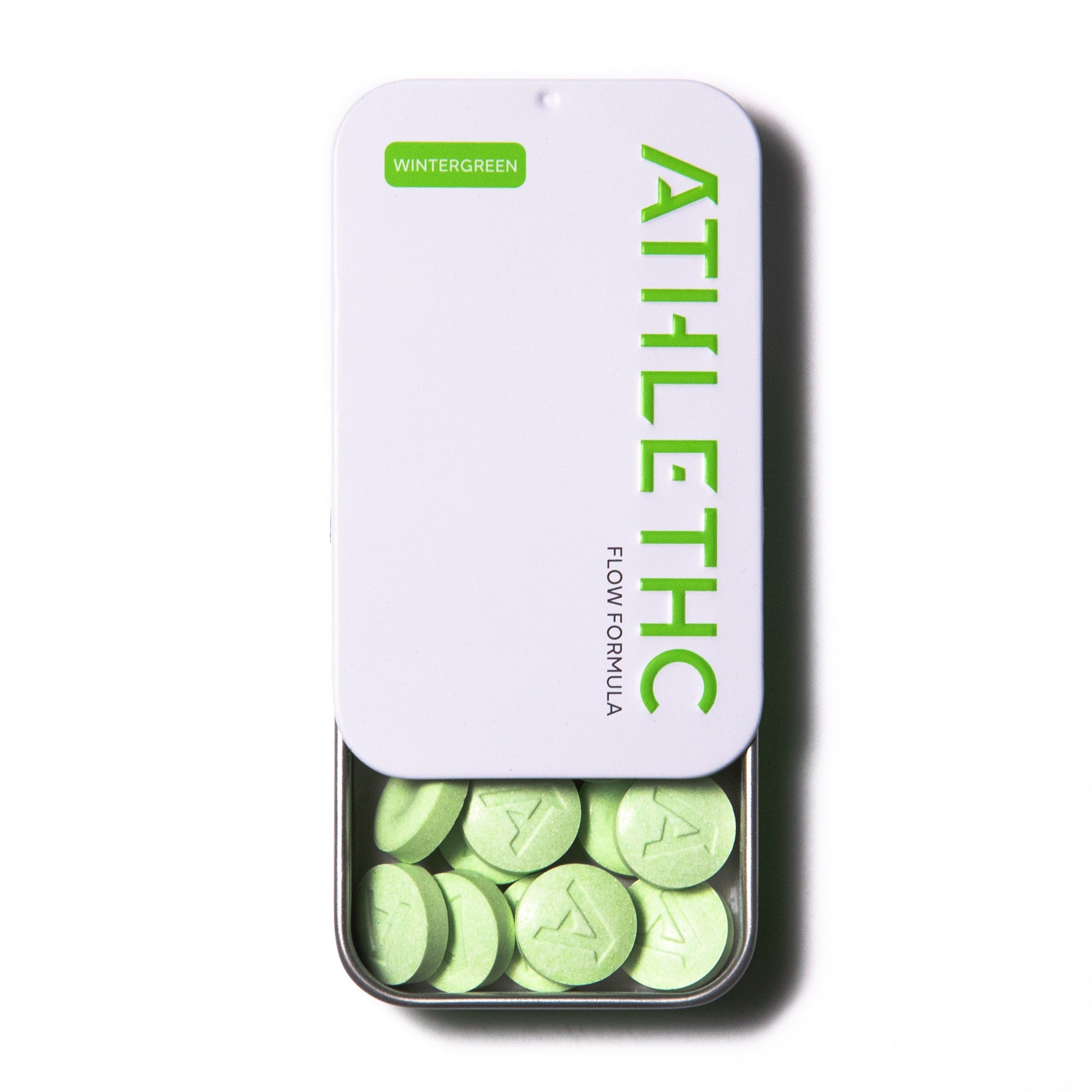
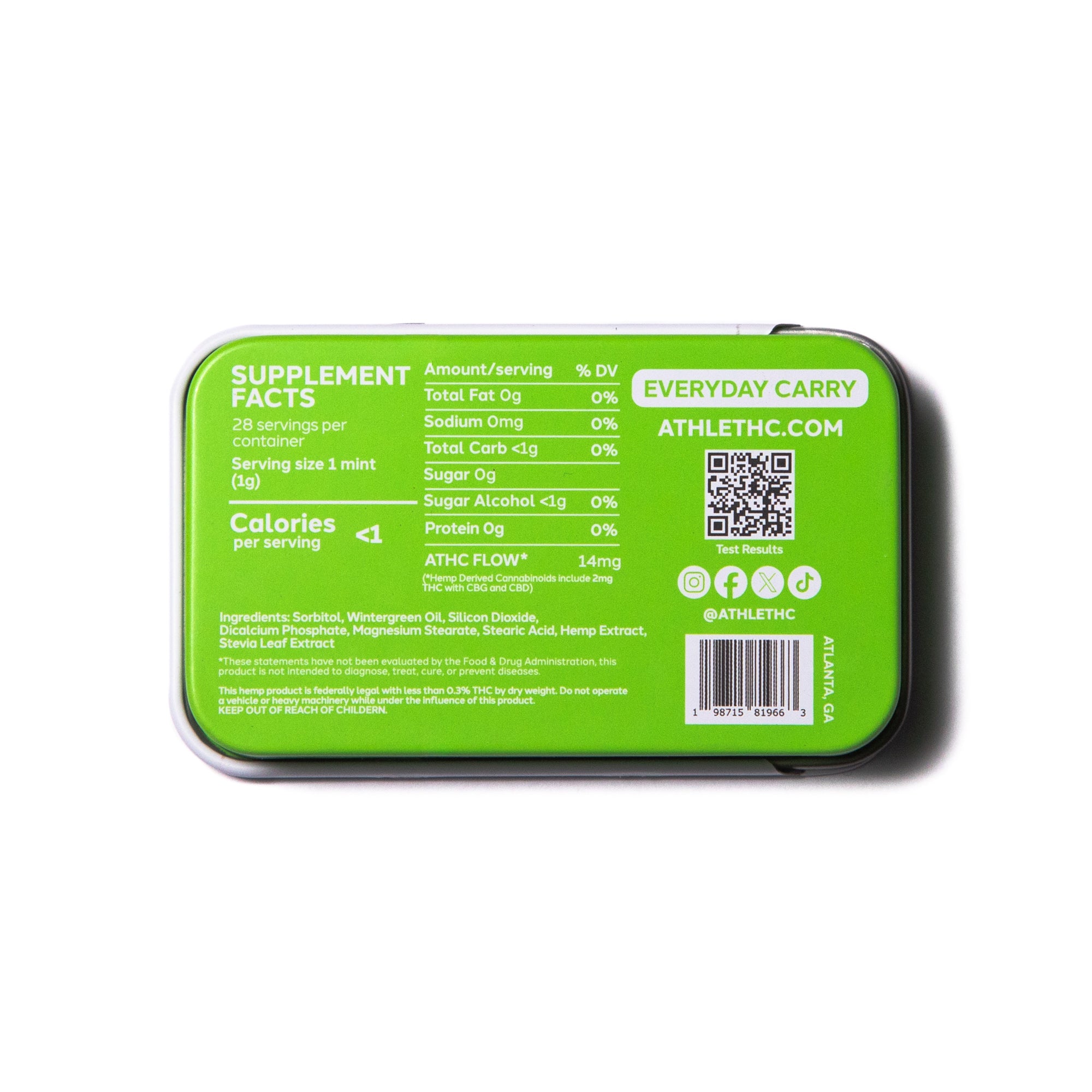
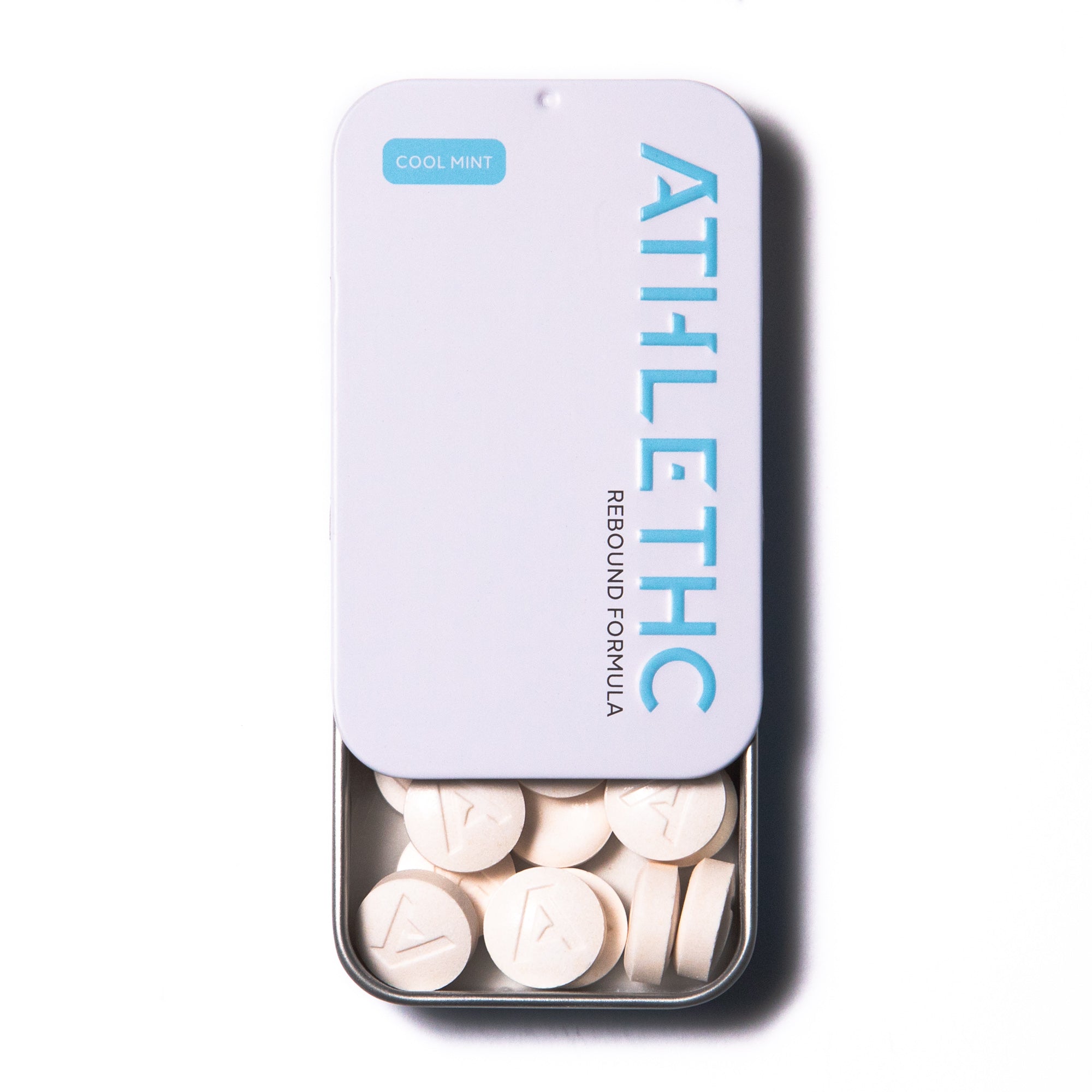
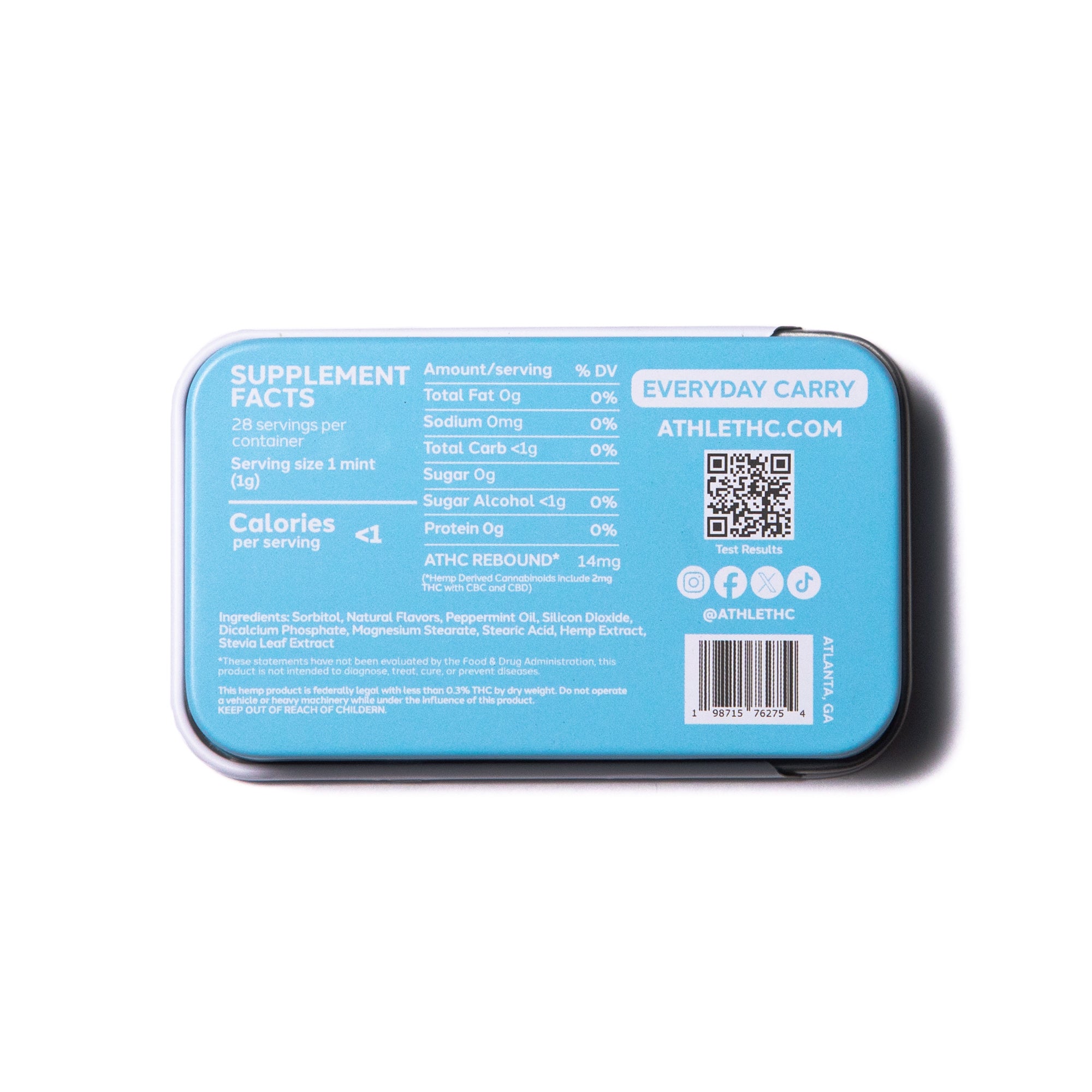
Enhance the Signal: Research suggests that pairing intentional movement with low-dose, plant-based cannabinoids (our mints have entered the room) can help prime the ECS, making it easier to reach that state of flow and mental clarity.
-
Recovery as Performance: The same receptors that give you the "high" are also responsible for down-regulating inflammation post-workout.
The Takeaway
You don’t need a lab to get high on your own supply. Your body is a cannabinoid-producing machine designed to reward you for the work. The "runner's high" isn't a myth—it's just been misattributed for forty years.
Here are some of the recent studies focused on this topic, should you want to do further research.
-
The Anandamide (AEA) Spike: A landmark 2022 systematic review and meta-analysis published in Psychoneuroendocrinology (Desai et al.) confirmed that acute aerobic exercise significantly increases circulating levels of anandamide. Anandamide is known as the "bliss molecule" (named after ananda, the Sanskrit word for bliss).
-
The "Sweet Spot" for Intensity: Research (notably Raichlen et al. and Siebers et al.) indicates that the ECS is most effectively activated at moderate intensities—roughly 70–80% of maximum heart rate. Very low intensity (walking) or very high intensity (sprinting to exhaustion) does not produce the same reliable "spike" in anandamide.
-
The Lipophilic Advantage: Unlike endorphins, endocannabinoids are lipophilic (fat-soluble). This allows them to pass through the BBB with ease, where they bind to CB1 receptors in the brain—the exact same receptors that THC targets.


"Is weed a performance enhancing drug?" - ATHLETHC on Freakonomics Radio
Are 80% of athletes using THC? Why High-Performance is Going Green