


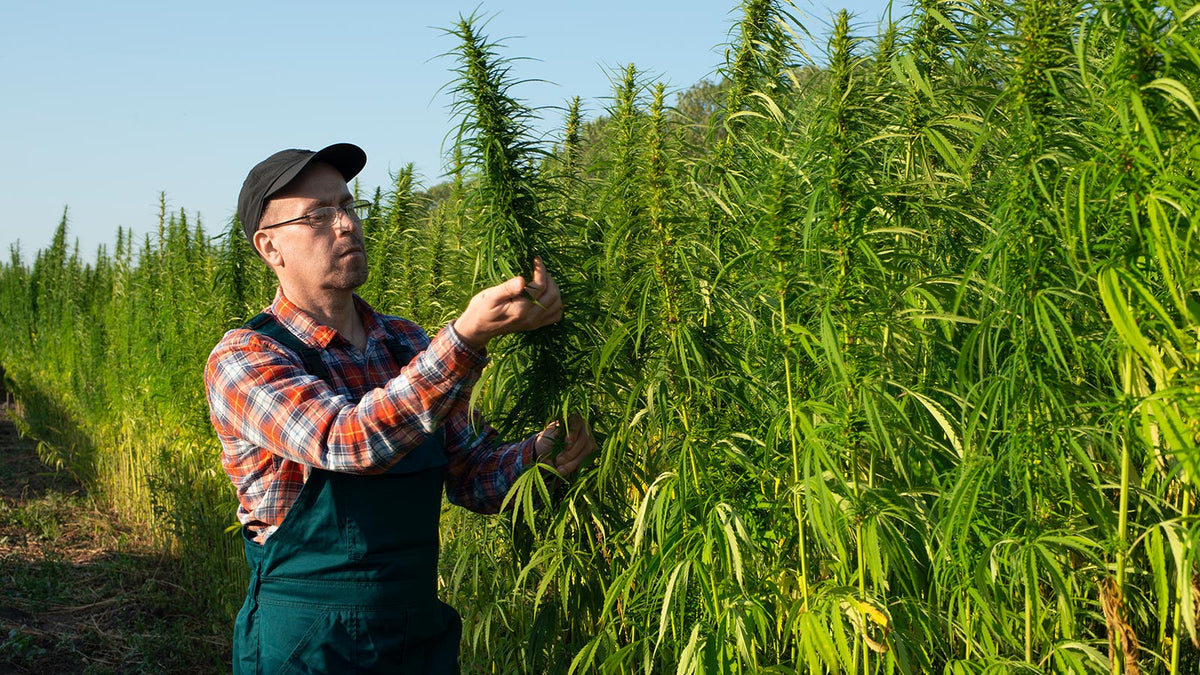
Incoming legislation on hemp will wipe out an entire industry on December 11th. Here’s what you need to know, how it impacts ATHLETHC, and the road forward.
The Hemp Ban
To understand what’s happening to hemp, start with the 2018 Farm Bill.
That law separated hemp from cannabis under the federal controlled-substance law. The dividing line? Hemp and its derivatives could not exceed 0.3% delta-9 THC by dry weight. That framework helped open the door to a booming industry of hemp-derived products people know today, including mints, gummies, and drinks.
Because the definition measured THC as a percentage of weight, without setting a milligram limit per serving or package, a product could contain enough THC to have an intoxicating effect while still complying with legal guidelines.
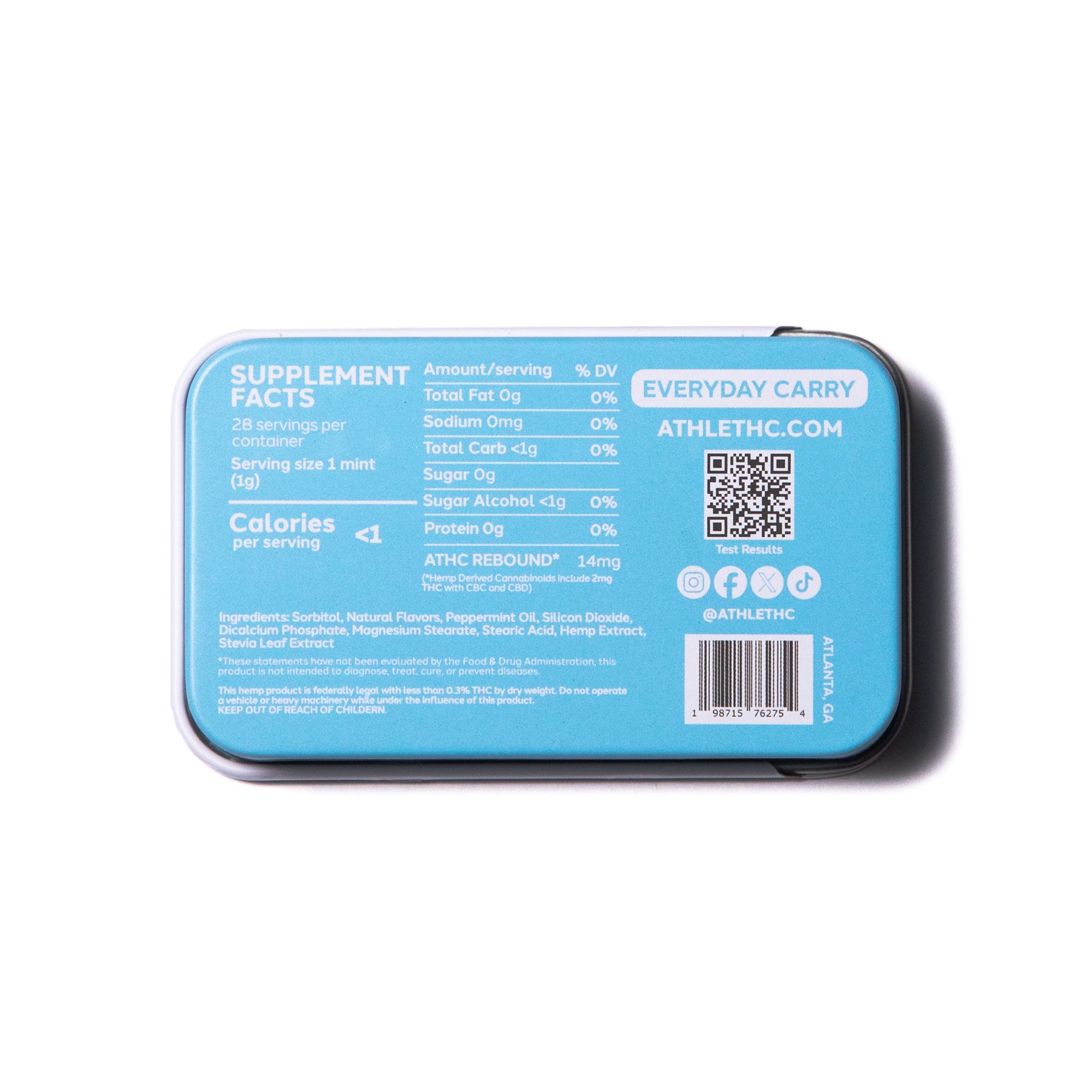
However, Congress changed the rules with a last minute move against the industry in the 2025 spending bill. Starting December 11, 2026, unless federal law changes again, the hemp definition will change the framework to measure the total weight of THC in such that products may not contain more than 0.4 mg of THC per container. This rule affects 95% of the products on the market today, which will lose their federally protected status.
Why is this happening? Follow the money: hemp products undercut the restricted state-licensed cannabis system and began taking share from soft traditional alcohol sales. Cannabis wants a level playing field, while Alcohol wants to remove or control this threat. Meanwhile, hemp industry pioneers filled the market with synthetics, unevenly labeled products, and ignored good manufacturing and testing standards, causing real public-safety concerns (potency, testing, labeling, youth access).
This new legislation effectively bans an emerging $39 billion market of hemp-derived THC edibles and beverages under federal law, including low-dose products such as ATHLETHC. (Whitney Economics)
To give this a frame of reference, imagine if all the energy drinks in the US were banned and removed from retail shelves and were no longer available online or anywhere. The impact would be smaller than the scale of what is about to happen…because, yes, energy drinks are not only a smaller category than hemp, but they also get the bulk of their ingredients overseas rather than from US farmers.
How does this impact ATHLETHC?
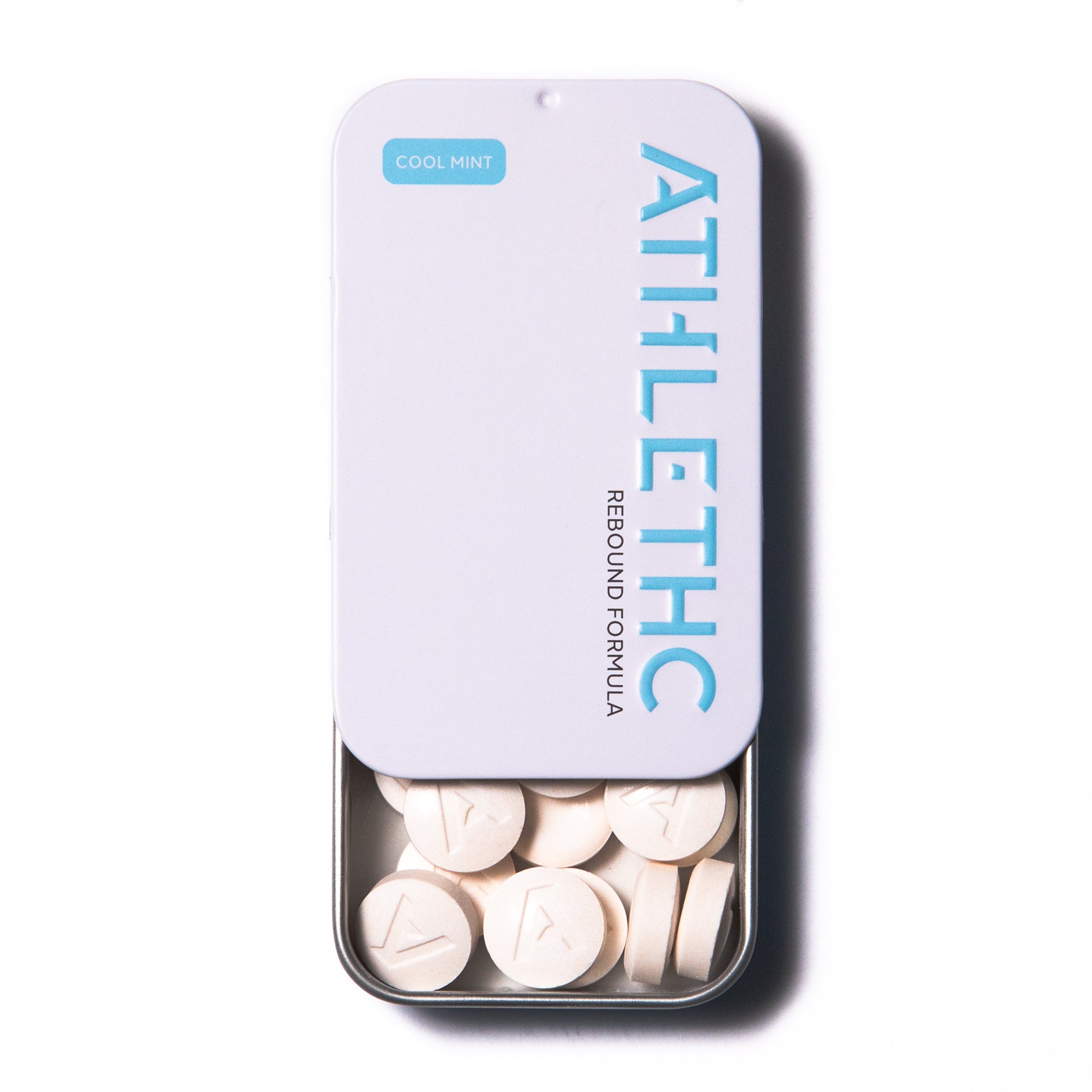
If this legislation stands with no intervention from Congress or the White House, we will have to stop selling our current products online on December 11th.
However, this ban has been delayed once before.
Congress gave the hemp industry some breathing room by moving the main restrictions from November 12 to December 11, 2026. Supporters said the extra time would help farmers and small businesses plan while lawmakers pursued a longer-term regulatory framework for hemp-derived products.
That gives us reason for cautious optimism. Some lawmakers are actively working toward sensible regulation that preserves access to hemp products while strengthening consumer protections. They have support from the Centers of Medicare & Medicaid Services which has developed a program to allow clinician-guided access to hemp products.
A further delay keeps the industry alive for a bit longer, although a lasting solution still needs to become law. Nevertheless, on November 12 the first restriction will take effect, removing junk synthetic products from the market; a policy we welcome to strengthen consumer protections.
As of today, the broader December restrictions are still on track and as currently written will remove naturally derived, low-dose products like ours from the market.
The Road Ahead
The future of the industry is uncertain. Over the last five years hemp-derived THC has been the fastest growing consumer packaged goods category. Over $30bn annually in retail revenue, $2.1bn in tax revenue, nearly 225k jobs and 95% of the products on the market are at stake, and will undoubtedly experience some sort of disruption this December.
No one knows the exact path forward, but three broad scenarios are possible, and they can overlap:
-
Restrictions take effect largely as written (Dec. 11 for most products). Most current intoxicating hemp products lose federal hemp status.
-
Federal rules take effect but states build their own programs. Some state markets survive in fragmented form; federal law still creates risk for interstate commerce and banking.
-
Congress delays again or creates a broader regulatory framework. A pure beverage carve-out is the narrowest version; wider standards would preserve more value.
Online prediction markets (Kalshi) currently price meaningful odds that 3 mg THC beverages could still qualify as hemp or remain federally sellable into early 2027. An investor survey put the chance of the broader ban taking effect near 58%.
These are market predictions, not guarantees, and they focus mainly on beverages.
A beverage carve out alone, as promoted currently by some industry lobbying groups, will not save hemp. Beverages account for less than 10% of industry revenue. The majority of hemp businesses will fail in a carve out scenario. The supply chain will collapse.
The common thread across every scenario is disruption—to supply chains, jobs, investment, and product availability.
Our Plan
We can’t change the law. We can only work within its framework.
The idea of ATLHETHC is to always chase better. We will continue to serve our customers with thoughtful formulations in portable formats to improve their health and wellness.
Our formulations or ingredients may have to change, but our mission won’t.
If you are looking to stock up on our current products, be sure to check out our Bundle Builder where you can save up to 20% when buying in bulk. Our last day of shipping will currently be December 11. Operations will resume once the dust settles and there is legal clarity on the path forward.
Thank you for being part of the ATHLETHC community. We will meet you on the other side.
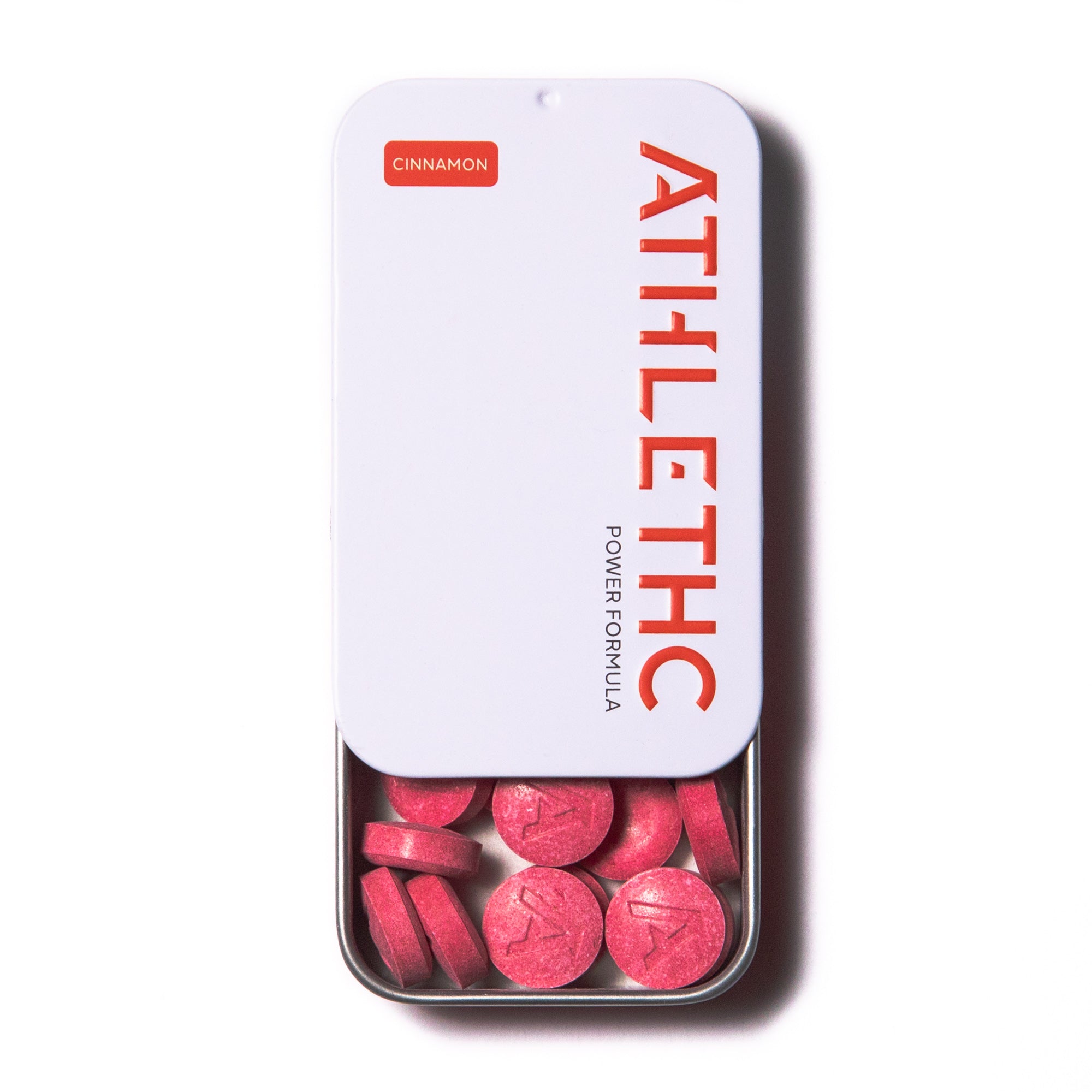
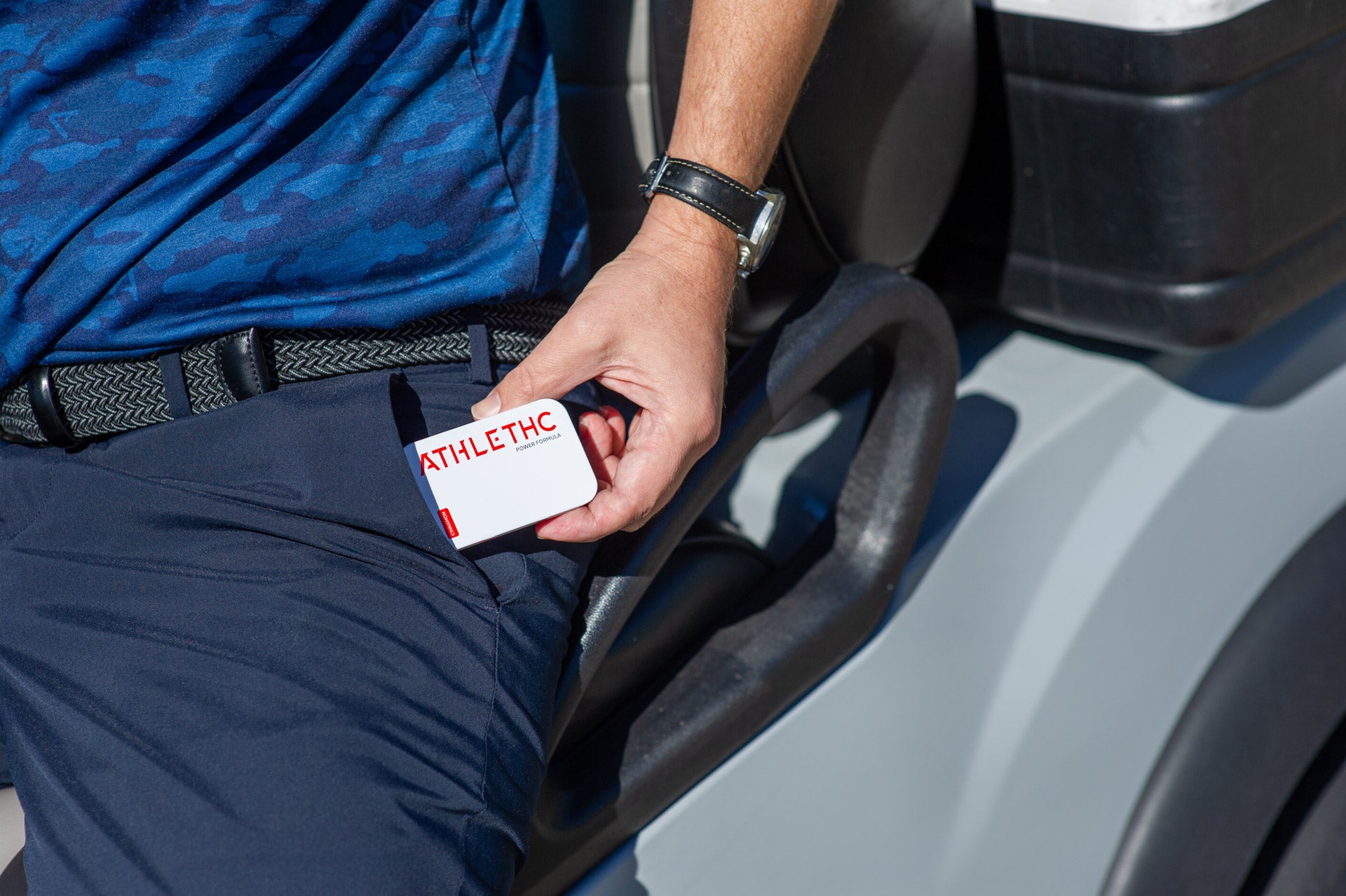
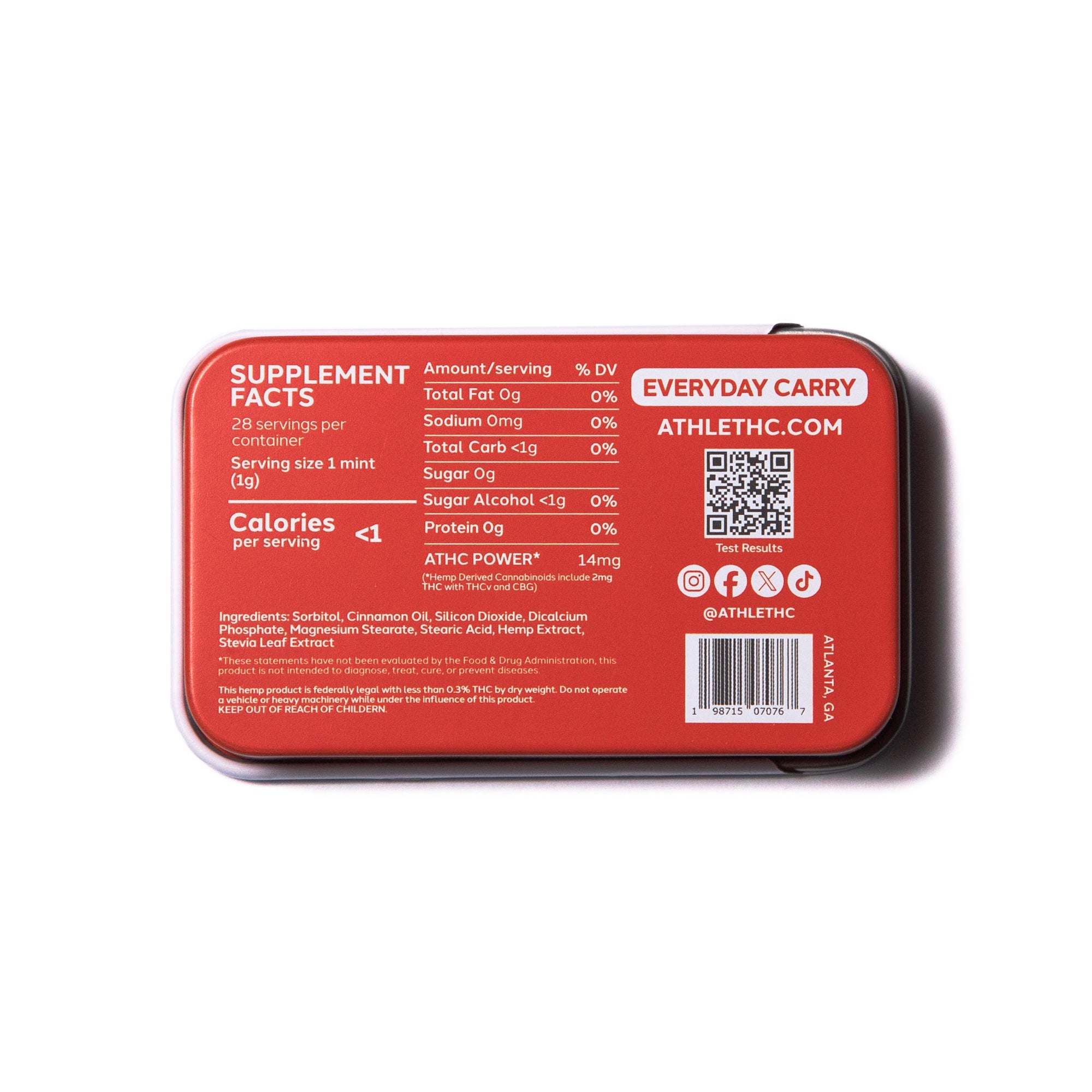



For Motivation, the Devil’s in the Dosage.