


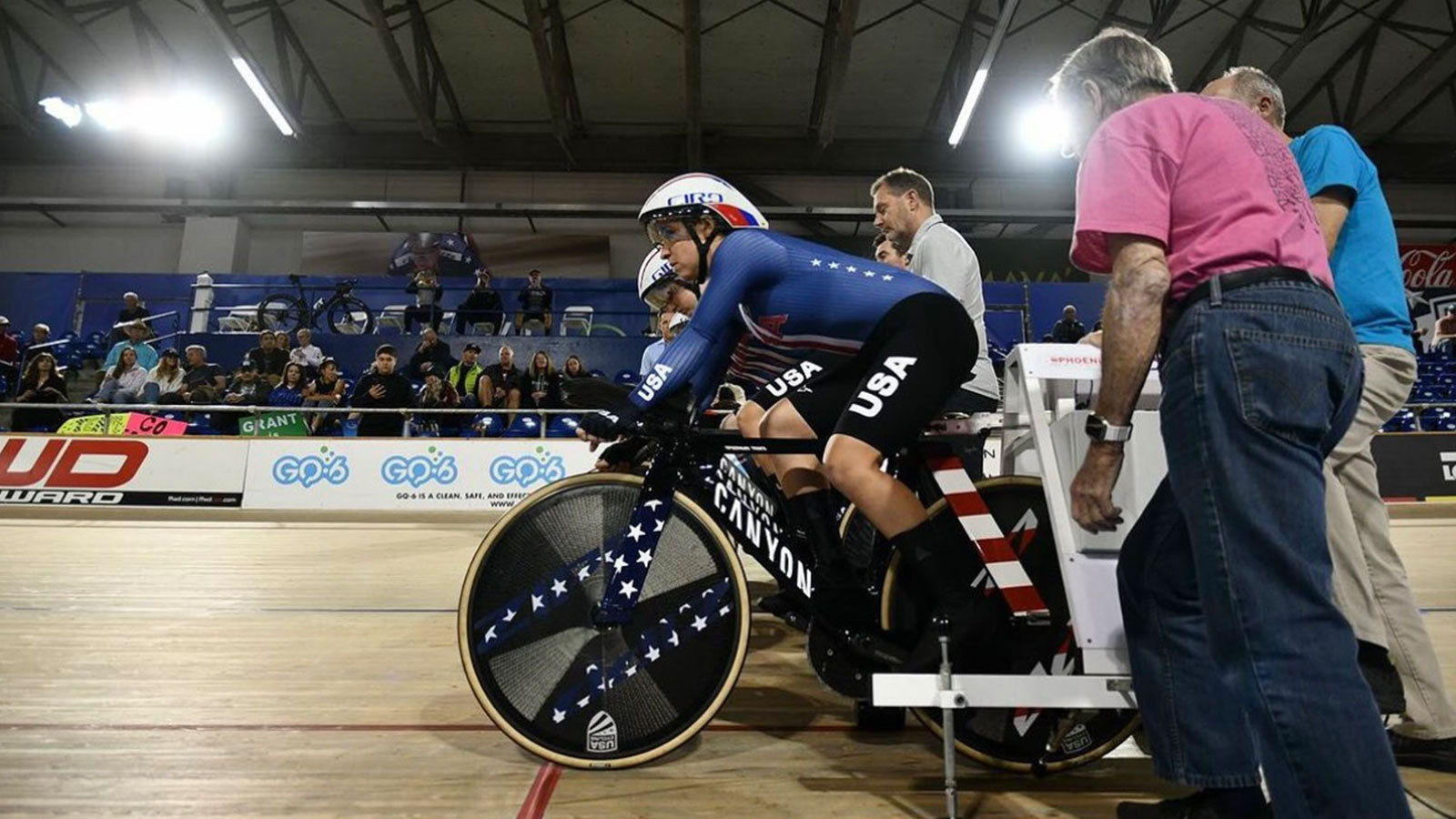
Colleen Gulick - US National Track Cycling Team member, 2022 World Cup Gold Medalist in the Madison event, 7x Pan American Track Championship Medalist and 9x National Champion, PhD in exercise physiology with an emphasis in endocrinology, co-author of a sports nutrition book (Science of Sports Nutrition: An Essential Guide for Sports Medicine), a previous career as a strength and conditioning coach for USA Beach Volleyball's national beach team, and experienced working with multiple professional sports on performance enhancement research.
Q1 — You have a PhD in exercise physiology with a focus in endocrinology, and you've competed at the World Cup level in track cycling. Most athletes choose one lane.
How does having both the scientific background and the competitive career change how you think about supplementation and recovery?
Both passions actually feed each other. I’ll admit that my athletic passions significantly influenced my academic path since I’m constantly (and selfishly) in search of ways I can improve as an athlete.
I actually think that the combination of athlete and researcher gives me a very unique advantage. There is a big gap between the theoretical science and practical application. Knowing the mechanisms behind why a supplement works is fantastic, but sometimes the practical application of that strategy makes it more trouble than it’s worth. Plus, there is a big advantage to knowing how an effort FEELS as an athlete. It helps me to dial in the timing, dosage, and even choose the right supplements in the first place. If a scientist tells an athlete a supplement will help them vasodilate, that’s great. But the athlete isn’t going to be able to measure or feel that in an effort. I know the metrics athletes look for and I can relate that the vasodilation will cause an increase in heart rate, so I can tell that athlete “look, this supplement works by vasodilation. As a result, your heart rate will increase to compensate. So, if you see a rise in your heart rate, don’t freak out, it means the supplement is working and you can continue your effort.” And to me that’s valuable insight that crosses the research/athlete divide.
My background also makes me prioritize consistency and fundamentals. If the fundamentals aren’t dialed in then you aren’t really giving the supplement space to shine. So, I see supplementation as a precision tool, not a shortcut… something that enhances an already solid foundation.
Q2 — Your PhD research focused on the interplay between exercise, dietary protein, and IGF-1. The endocannabinoid system is increasingly understood to play a role in exercise-induced adaptation and recovery.
What does the exercise physiology research actually tell us about how the ECS responds to training load — and what does that mean for a cyclist specifically?
The supplement industry is constantly evolving and, to me, that’s incredibly exciting. We are even finding supplements that have been around and used for a long time that are finally getting the research backing to show HOW they work (like adaptogens and cannabinoids).
The research suggests that the endocannabinoid system is part of the body’s normal response to training. In particular, studies show that anandamide (one of the main endocannabinoids) tends to rise with aerobic exercise, which helps to reduce inflammation, pain (especially post-exercise soreness and recovery), and improve mood/anxiety (aka the “runner’s high”). For cyclists, that matters because the ECS helps regulate pain perception, stress, mood, and the overall tolerance of training load… aspects that are incredibly important in order to tolerate the volume and intensity of training necessary to be successful.
My view is that the ECS is one of the systems helping convert training stress into adaptation, but only when the overall program is well balanced. It reinforces the idea that smart training, adequate fueling, and proper recovery are what allow the body’s own physiology to do its job. And as a researcher I feel like we are always saying “further research is necessary” and I understand how that can be frustrating for readers because athletes are looking for very specific guidelines and dialed in recommendations. But the reality is that there are SO many variables within the cannabinoid plant contents, delivery mechanism, age, and individual response (which we can’t even predict yet). Then we add to that the diversity in athletes training history, desired adaptation and training volume…. It is just too many variables to be able to provide dialed in recommendations… yet. But it’s a very exciting area of research that has so much room for growth in the next few years.

Q3 — Track cycling involves extremely high-intensity, short-duration efforts. That's a very different physiological demand than road endurance cycling.
How do you think about using cannabinoids differently across those modalities, and what does your protocol actually look like before a high-intensity track session versus a long training ride?
I think that every supplement dosage, timing, and use in general has to be adjusted to fit the athlete’s desired adaptation.
Track cycling and long aerobic riding are completely different physiological problems. I certainly wouldn’t want to attempt a 100-mile road race after doing only my track training (that’s asking for a mid-race disaster), the energy systems and demands are completely different. So, I would not think about cannabinoids the same way across both. Before a high-intensity track session, my priority is maximal mental sharpness, threshold work, and max power output, so I would be very cautious recommending anything that could impair reaction time or top-end performance. That caution is supported by research showing THC-containing cannabis can impair cycling performance. However, we still do not have good data on microdose oral THC in sprint or power settings and I’m very curious about how we can titrate the levels of THC to be able to optimize the plant’s benefits while mitigating some of the other aspects that aren’t advantageous for this particular goal.
For long rides, I think the conversation shifts more toward perception, stress, and recovery. In that context, CBD and THC both play a role. THC has the potential to alter pain perception during the efforts. CBD is interesting not because I see it as a direct performance enhancer, but because it may help some athletes with sleep, relaxation, soreness, or recovery support. So my approach would be geared towards performance-first: protect the quality of the most important workout session, and if cannabinoids are part of the conversation, be honest about where the evidence is stronger, where it is weak, and what the anti-doping implications are.
Q4 — Post-ride recovery for a track cyclist competing internationally involves managing acute inflammation, sleep quality, and hormonal recovery across a tight competition schedule.
From an exercise physiology standpoint, what role could cannabinoids actually play in those processes?
Recovery for a track cyclist, especially in competition blocks, is about managing a few key areas:
- Inflammation
- Sleep quality
- Respiratory health (specifically preventing upper respiratory tract infections)
- Muscle protein synthesis (to not only recover for the next workout, but also improve adaptions at the same time)
From a mechanistic standpoint:
- The endocannabinoid system interacts with immune signaling, which can influence inflammatory responses
- Cannabinoids may modulate pain perception, which can impact perceived recovery
- Some evidence suggests effects on sleep latency and sleep quality, which is one of the most important recovery variables we have. I’ve actually done a lot of work on my own sleep quality over the years and dialing in my sleep has been a game changer for my daily training, race performance and health.
That said, I don’t view cannabinoids as directly accelerating recovery in the same way as nutrition or sleep. I see them as support tools, like any supplement, especially when they help improve sleep or reduce excessive stress signaling.
In a compressed competition schedule, THC shouldn’t be part of the conversation since it’s a banned substance in-competition. However, CBD is legal in and out of competition and is used by many athletes to help improve sleep quality or relaxation. Many endurance athletes get frequent upper respiratory tract infections and trying to avoid this is challenging. I have a whole protocol of things I use on the road (everything from a humidifier to lozenges with honey) to avoid this. I could see CBD as being incredibly helpful in this respect because reducing inflammation and prioritizing sleep goes a long way towards keeping us healthy.
Q5 — You were on the US National Team, which means WADA testing is part of your competitive reality.
How do you navigate cannabinoid use as a tested athlete — and what would you tell another elite cyclist who's curious about ATHLETHC but worried about the testing implications?
As a tested athlete, this is non-negotiable: you are responsible for understanding the rules and you are responsible for everything you put on or in your body.
THC is prohibited in-competition, and there is a defined urinary threshold. The tricky part for athletes interested in using cannabinoids is that they’re lipophilic, meaning THC likes to hang out in our fat and stick around for awhile. And this is true even in you are extremely lean…. We have fat surrounding our neurons and THC is capable of being stored in that environment. So, that poses a challenge because an athlete could utilize THC and have it be present in the body for weeks after. Plus, when we do things that break down our fat (like lose weight or…. EXERCISE) we release that stored THC and it circulates again. This makes it very risky to time an athlete’s cannabinoid use if they are within a few weeks of competition. If an athlete is looking to try using cannabinoids my suggestion would be to utilize them responsibly, in the off season, when you are certain you have no competitions on the horizon then utilize only THC-free products as the season approaches. As an athlete no supplement is worth risking your eligibility, reputation, and integrity of sport. Always exercise caution.
Q6 — Your PhD had an emphasis in endocrinology, and there's growing awareness that female athletes experience cannabinoids differently due to hormonal interactions with the ECS — particularly around the menstrual cycle.
What does the research show, and what should female endurance athletes know about timing and dosing?
I LOVE this question! Female athletes are underrepresented in sports science research. Mostly this occurs because, as researchers, we try to control as many variables as possible so that we can be sure that any effects we see in the study are directly due to the supplement we are testing. Unfortunately, female hormonal fluctuations induce a LOT of variability (hormone levels, cycle length, type of birth control, or no birth control at all, etc.). So, it’s hard to pin down where the changes are coming from. However, there are a lot of excellent researchers who are working diligently to get data on female athletes. I was fortunate enough to do my entire master’s thesis on female athletes and as an athlete myself I am selfishly very interested in this topic. But to answer your question…
We can add the ECS system to the laundry list of systems that are impacted by the menstrual cycle. In addition to hormone levels, fueling needs, and muscle physiology… the ECS system is altered by different hormonal phases.
This is one of the most under-discussed areas, and it matters.
The ECS interacts with estrogen and progesterone, which means responses to cannabinoids can vary across the menstrual cycle.
What we know:
- Estrogen can increase sensitivity to cannabinoids (likely by increasing the number of CB1 receptors in the brain)
- The follicular and luteal phases may produce different responses in terms of mood, perception, and recovery
- Hormonal fluctuations already impact sleep, stress, and pain (systems the ECS also influences)
For female athletes, this means:
- Timing and dosing may need to be more individualized (and altered according to hormonal fluctuations)… and as a fun twist, perimenopause and menopause will likely cause female athletes to alter what worked for their younger self.
- What works in one phase may not feel the same in another
- Tracking responses is key
We don’t have enough research yet, but from a physiology standpoint, variability should be expected, not ignored.
I know there are a lot of great researchers who are trying to increase the amount of data we have on female athletes, and we are making progress but we will have to stay tuned for more information in this area.
Q7 — Track cycling — particularly the Madison, which involves tactical racing, split-second partner coordination, and managing effort over a 25km event — has a massive mental performance component.
How do you think about the relationship between the endocannabinoid system, mental focus, and what athletes call 'flow state'?
And yes, the madison is definitely the most cognitively demanding of the track disciplines, which is one of the reasons why I love it. For those who are unfamiliar the madison is a parter race where one partner is in the race at all times and the other is on “relief” riding at the top of the track and recovering. Approximately every 4 laps you grab hands with your partner and literally throw them into the race and trade places. So, you constantly have to know where your own partner is as well as be aware enough to navigate the traffic of every other team doing their exchanges. Then on top of that there are points sprints periodically throughout the race. So, you need to keep track of your partner, the traffic from other teams, the lap count, and the point sprints. Good madison riders have a combination of great race/tactical awareness, bike handling, endurance, and sprint.
I’m sure you can understand with all of that going on at the same time it could be very overwhelming for a new rider… or even a seasoned rider when things get chaotic at times. So being in a state where you have: cognitive sharpness, emotional regulation, perception of effort, timing and a bit of coordination is incredibly valuable…. And these are all feelings that we associate with being in a “flow state.” Since the ECS plays a role in managing our focus, anxiety, modulating stress, and keeping tabs on our reward pathways, I would say it’s an integral part of madison success. Personally, I find the chaos of the event to be very calming. I know that sounds odd but I love being able to relax, navigate my way through the field, and really have that action and awareness merge so that it feels automatic. That’s the madison sweet spot and the ECS system (and practice) has a lot to do with being able to manage the stress, anxiety, and reward pathways involved in the event.
Q8 — You've written about overtraining markers — resting heart rate, hemoglobin, sleep disturbances — and how to identify when recovery is insufficient.
How do cannabinoids fit into a systematic recovery monitoring protocol?
There is a LOT of time and money that has been spent on identifying a single reliable measure to signal overtraining. And rightly so because the PERFECT situation for an athlete is to train in the sweet spot where you are improving adaptation and slightly overreaching (when planned) but not so much that you can’t recover and get that boost of supercompensation. The tricky part is every single athlete is different and elite athletes in particular are tricky because they are not the norm… that’s what makes them elite. I honestly think elite coaches are better able to predict this than research is. When you have coaches that have a history of success, they’ve coached at a high level and repeatedly achieved success, they know the recipe that takes athletes from good to great. They might not know the exact mechanics, and honestly who cares what exact hormone response or lactate threshold number or HRV got the results, it works, it’s repeatable, and that’s all that matters for them. However, for people who don’t have access to these coaches, researchers have been trying to find that golden marker (or combination of markers) that can pinpoint exact training loads.
I’m very data-driven when it comes to my training because it helps me know when to pump the brakes. I have a tendency to overtrain and push through when sometimes that has done more harm than good. But having a series of data points that I have seen repeatedly work for me gives me confidence of when the smartest thing to do is take an easy day before I get sick. Key markers I look at:
- Resting heart rate - If my RHR jumps considerably overnight I use it as a warning sign that I’m stressed. It doesn’t necessarily change my training but I’m aware of it.
- Sleep quality - Specifically deep sleep… being low on deep sleep means I haven’t fully recovered. It’s not an excuse for a bad training day but, again, it’s something to keep in mind.
- Temperature - This is a big one. When RHR and temp both jump overnight I immediately pump the brakes. I’m getting sick and need to back it down and try to do damage control.
- Training performance trends - If I feel like I can’t get out of my own way then I’m not doing any good. Don’t always back off but change it up and reset.
- Subjective fatigue - This is important but it’s also the easiest to dismiss and just push through.
- Mood and motivation - Significant overtraining disrupts mood and motivation. But it’s also a sign to look at your fueling.
If cannabinoids are introduced, they should be evaluated like any other intervention:
- Are you sleeping better?
- Is HRV or resting HR improving?
- Are you recovering faster between sessions?
- Is perceived soreness changing?
If the answer is no, it’s not doing its job, or the timing/dosing needs to be adjusted. There is little to no research out there on microdosing at this time and I think this is an area where active individuals have the ability to see the greatest benefits from supplementation. I look forward to seeing the results of cannabinoids tested within a structured system.
Q9 — Elite cyclists are meticulous about their supplement stacks — beta-alanine, sodium bicarbonate, caffeine, nitrates — because the evidence base matters at that level. How does ATHLETHC fit into a rigorously evidence-based supplement protocol? How do you explain microdose THC to a skeptical exercise scientist or team director?"
Yes! I have been a supplement nerd for a long time and I love this space (I even wrote a book about it…Science of Sports Nutrition: An Essential Guide for Sports Medicine).
At the elite level, you are completely right that supplementation is a very meticulous selection process and each supplement has to earn its place.
We’re talking about compounds like:
- Caffeine
- Beta-alanine
- Nitrates
- Carbohydrates
These have clear mechanisms and performance outcomes.
Cannabinoids are different.
I wouldn’t place them in the same category as performance-enhancing supplements. Instead, I see them as adjunct tools that may support:
- Recovery
- Sleep
- Stress regulation
- Pain perception
For a skeptical scientist or coach, I’d frame it honestly:
- The ECS is a real physiological system involved in exercise performance and perception
- The direct performance evidence is limited (which doesn’t mean it’s not valuable and it doesn’t mean the supplement doesn’t work)
- The strongest case is in recovery and perception
- Most importantly, I’d encourage the scientist or coach to listen to how their athletes feel when they use cannabinoids… since that’s likely one of the best decisions to use or not use a supplement.
- I’d also be transparent about WADA regulations and the be sure that everyone is well informed about the regulations, just like any supplement.
Q10 — If a competitive cyclist came to you — someone who's never used cannabinoids but is serious about performance and recovery — what would you tell them? Walk us through the protocol you'd actually recommend: which formula, what dose, what timing, and what to track in the first two weeks.
If a serious cyclist asked me where to start, I’d keep it simple and structured.
Step 1: Define the goal
- Sleep?
- Recovery?
- Stress?
- Pain?
Step 2: Timing
- Be aware and informed about WADA guidelines and the timing of consumptions so that they comply with all of the rules of their sport… this is the most important part of the process if the athlete is competing in a sport that requires testing.
- Avoid anything that could impair key sessions
- Prioritize evening or post-training use initially to gauge response
Step 3: Start low
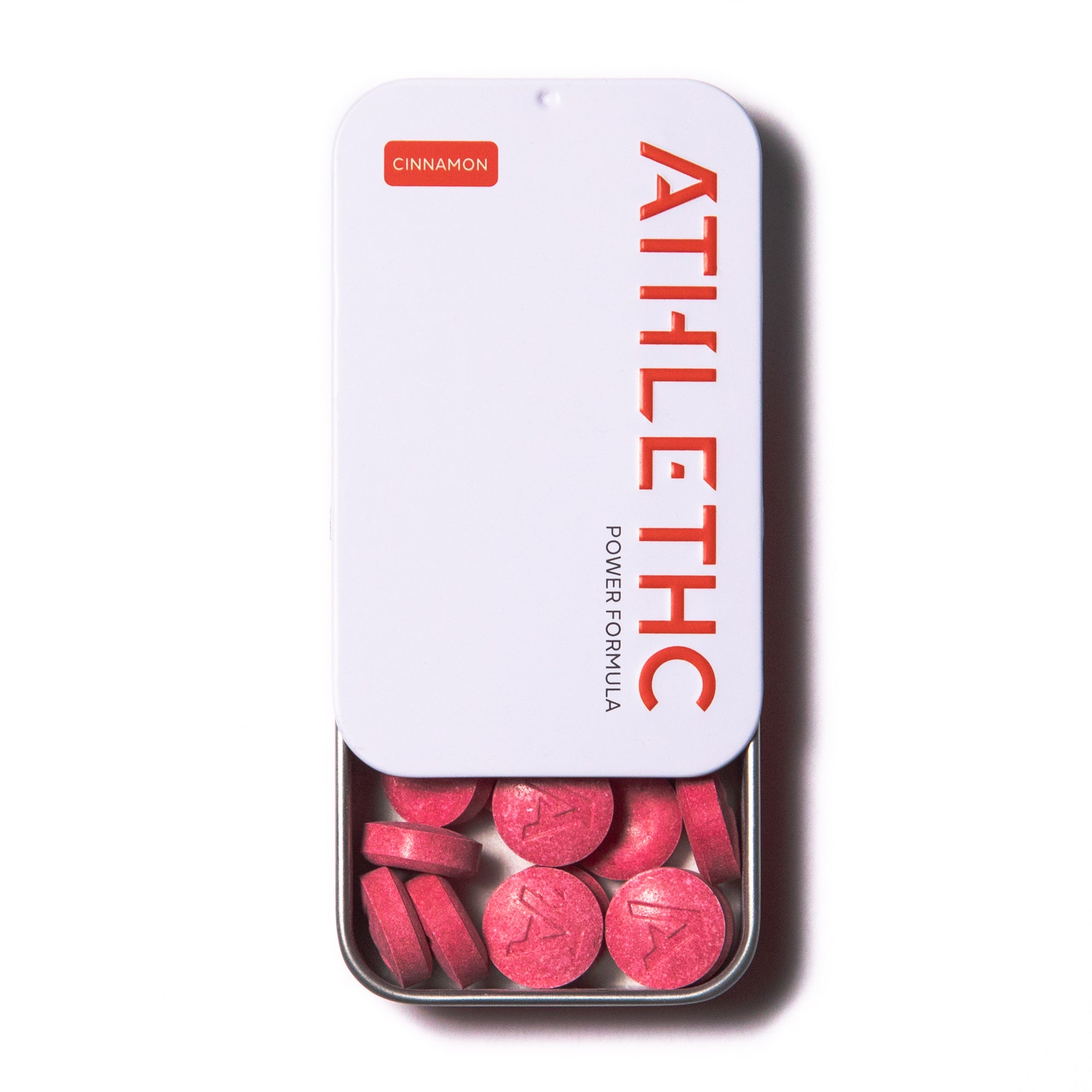
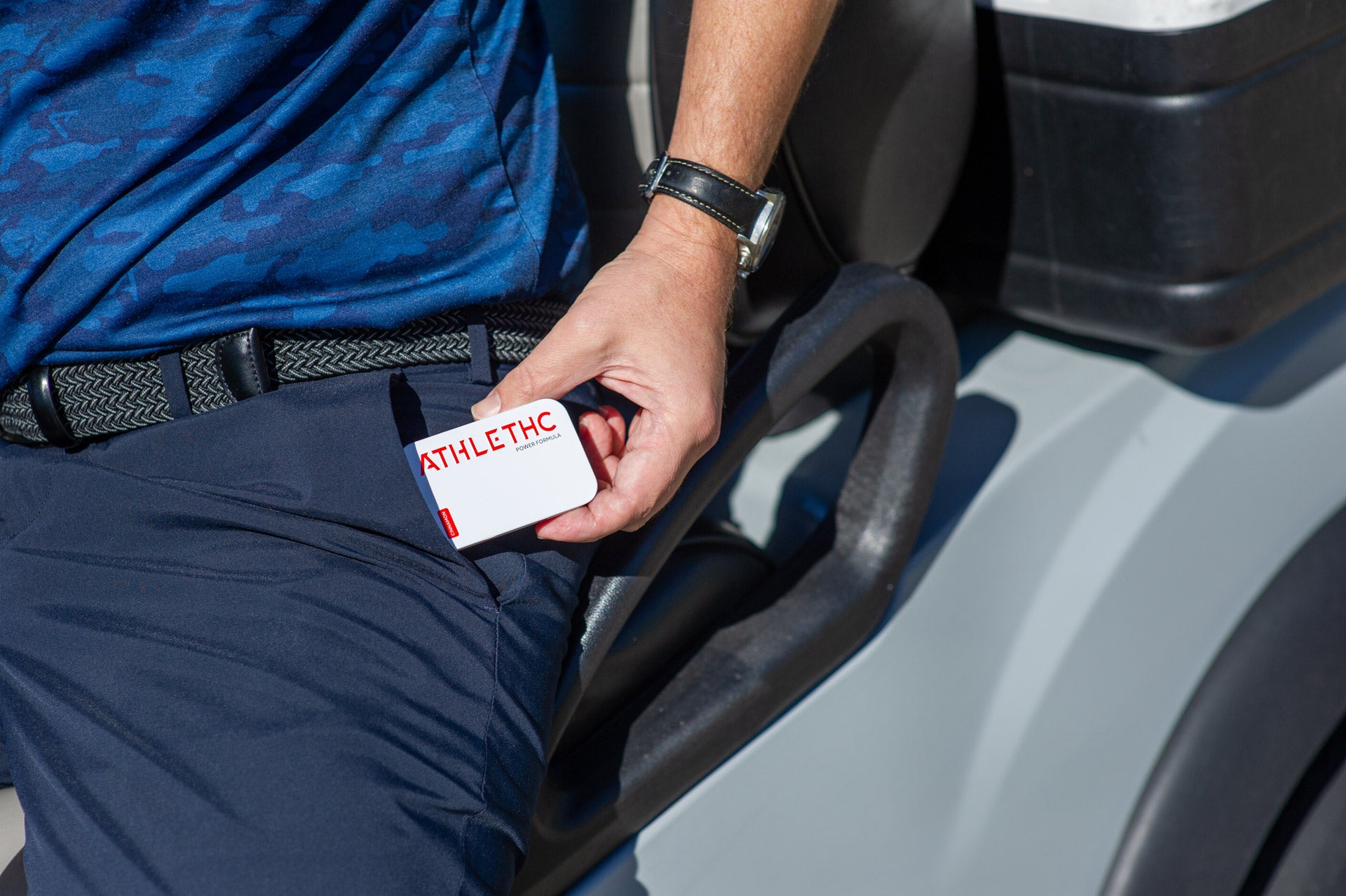
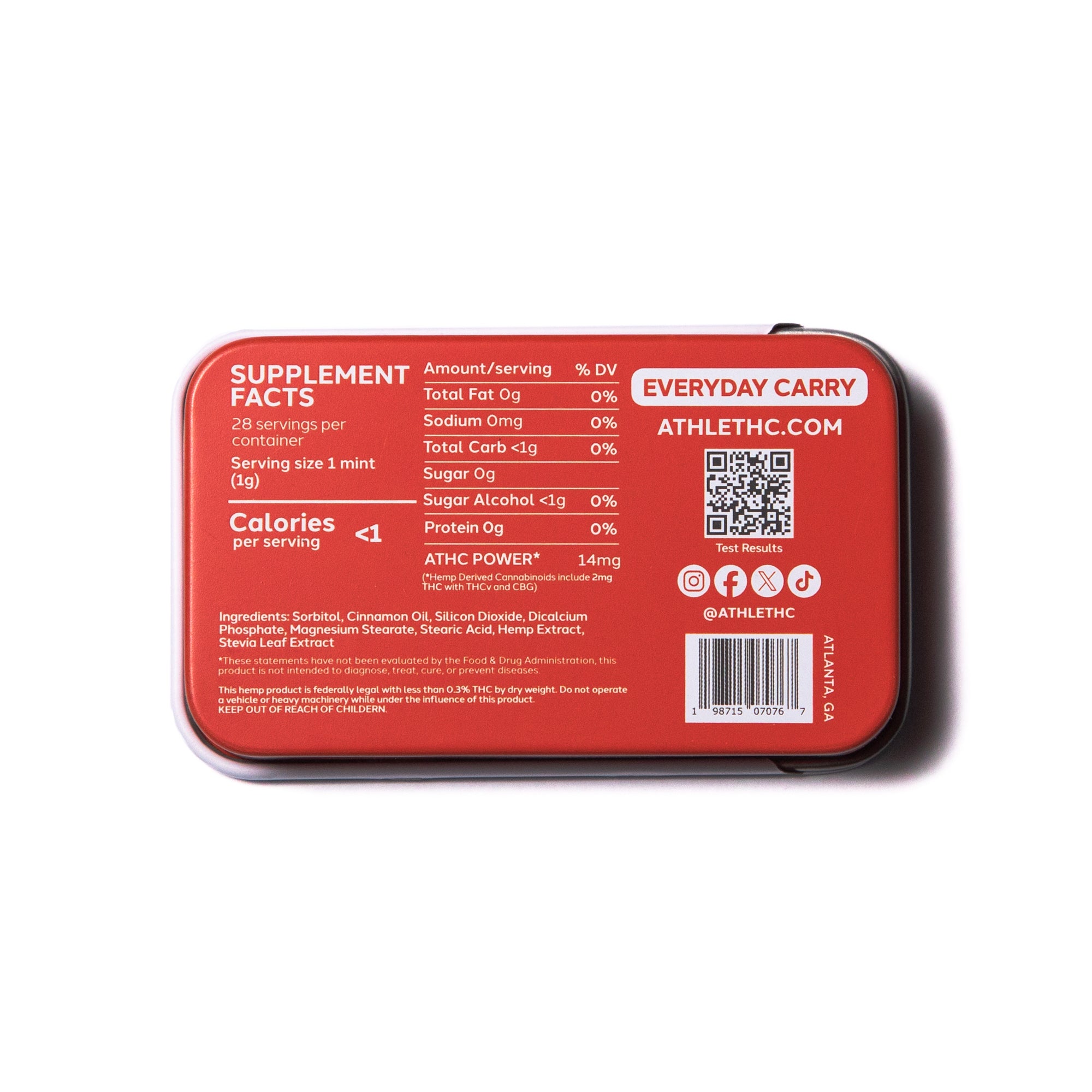
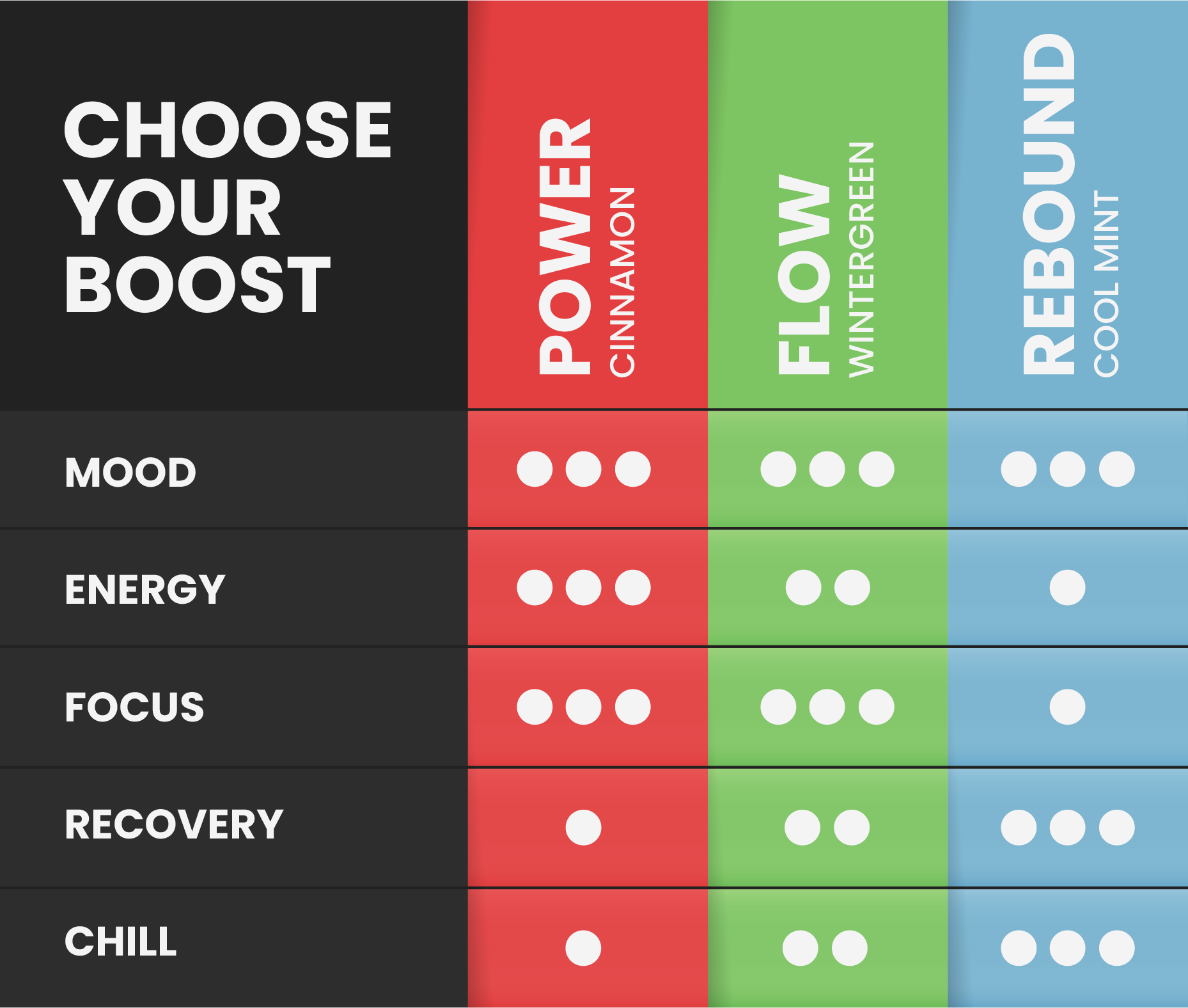
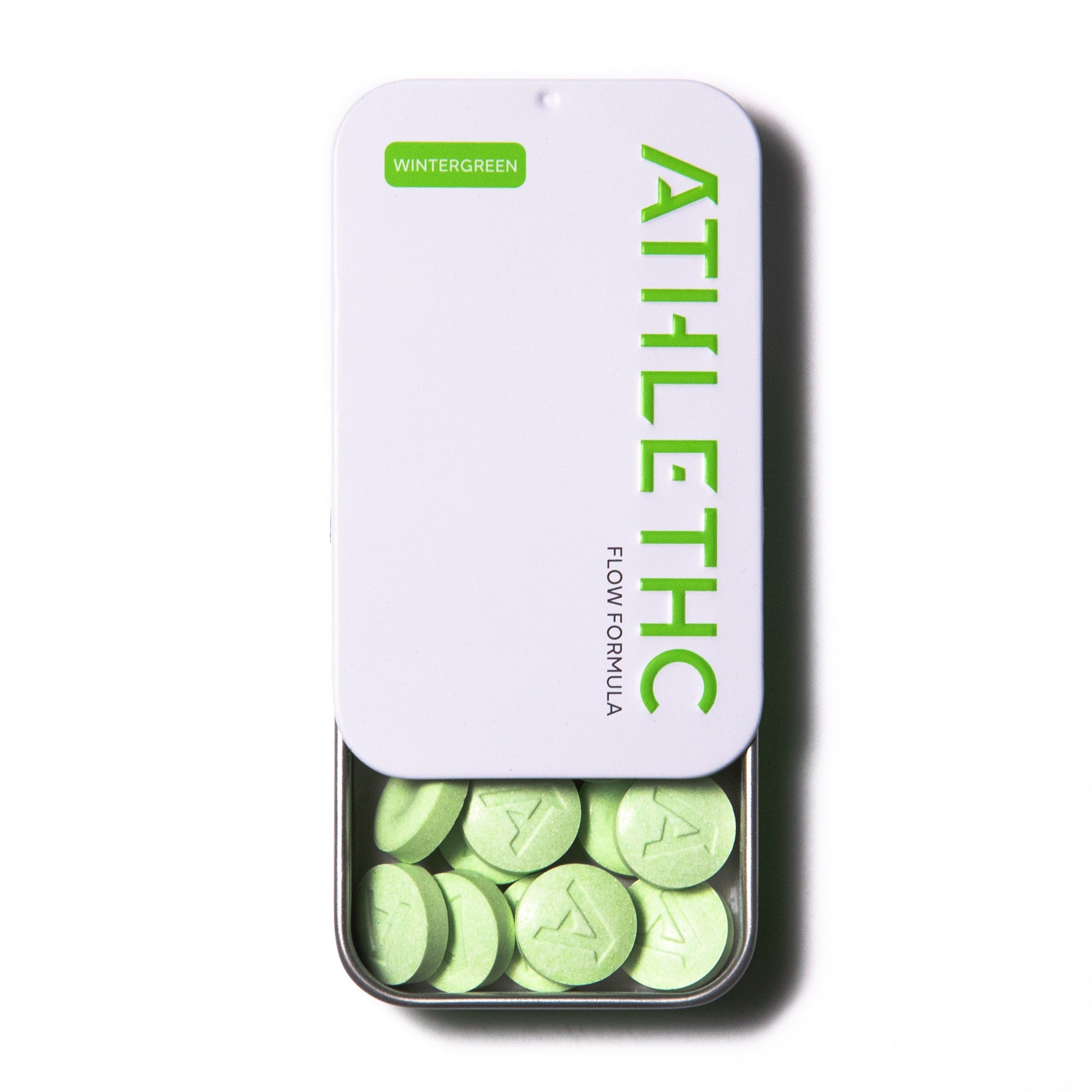
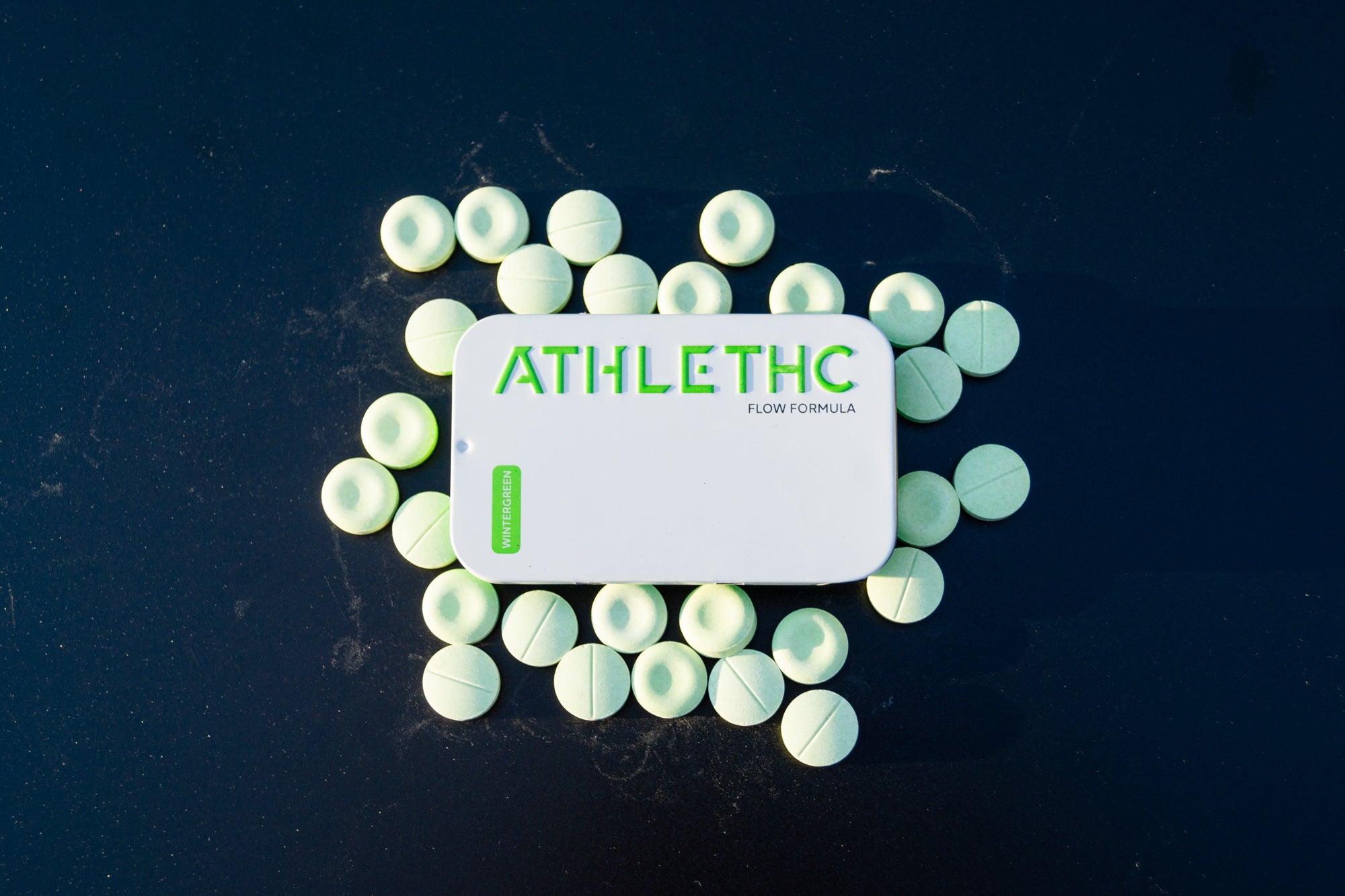
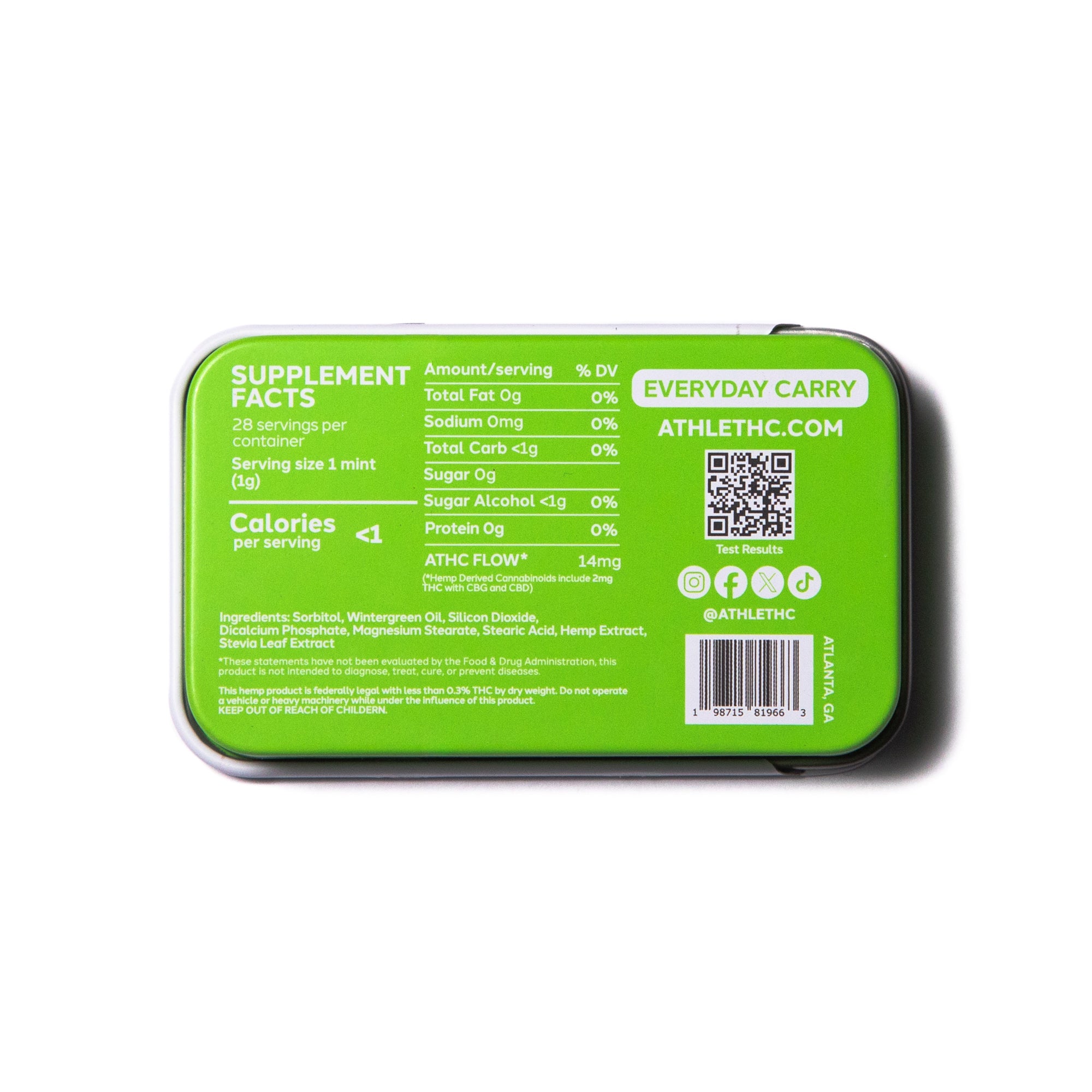
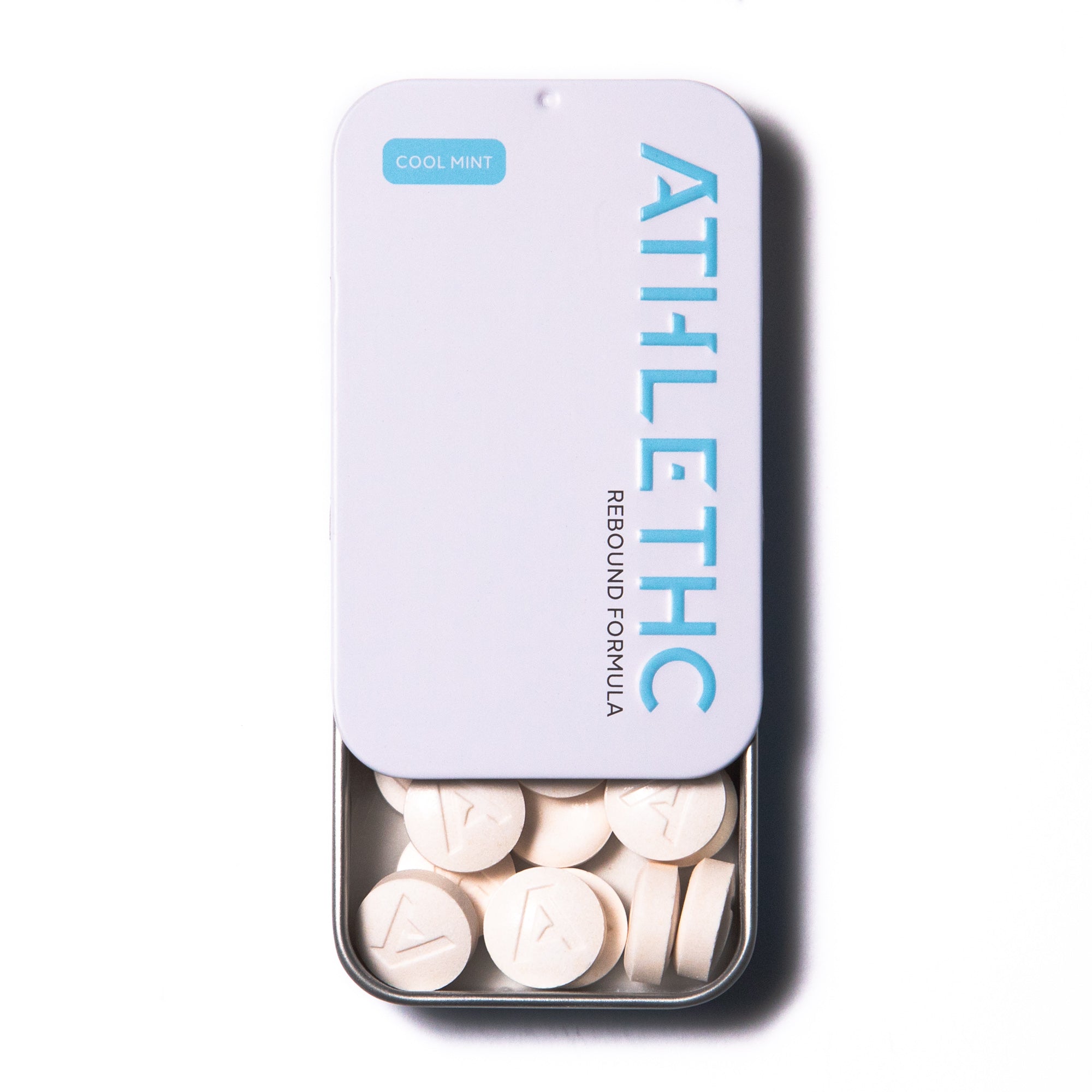
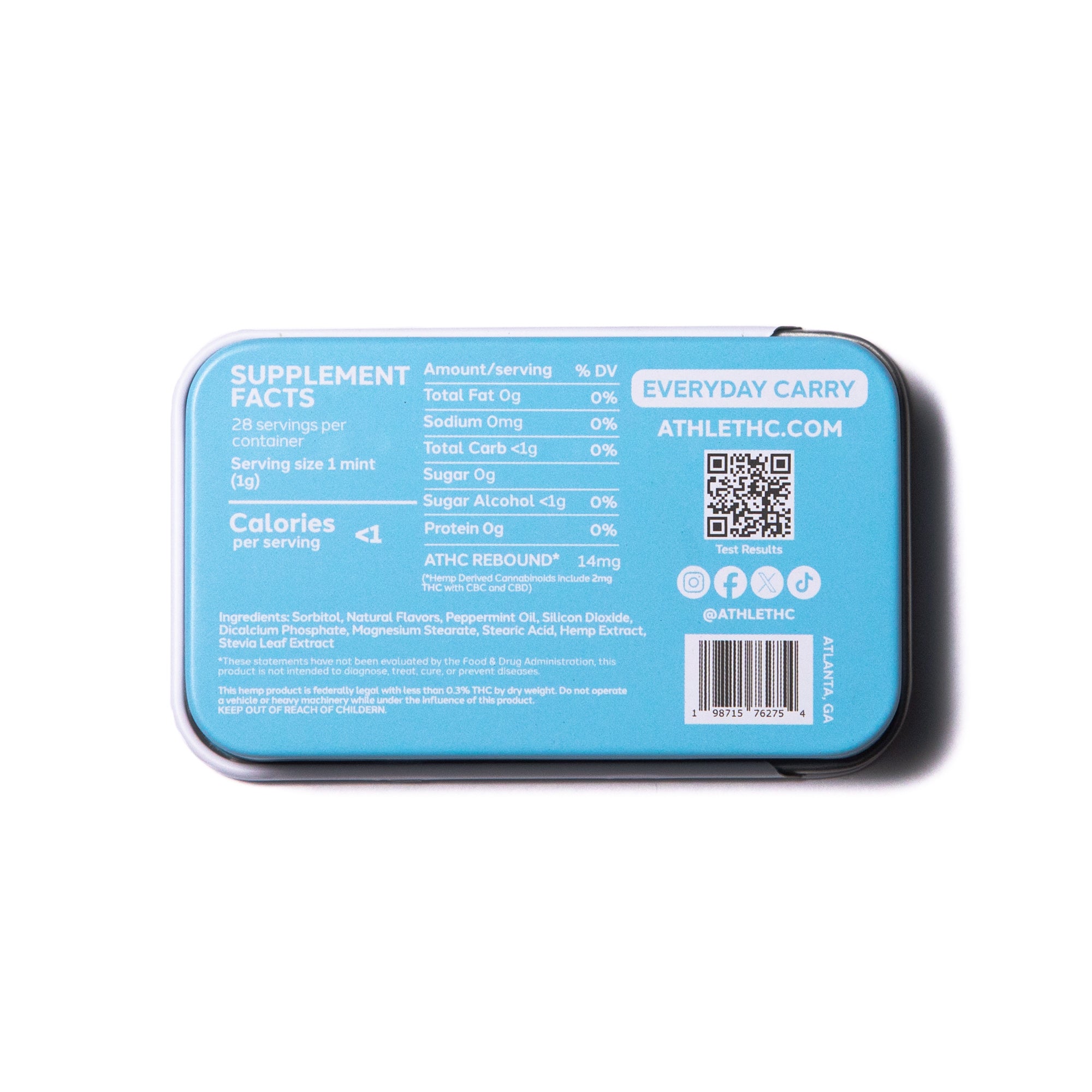
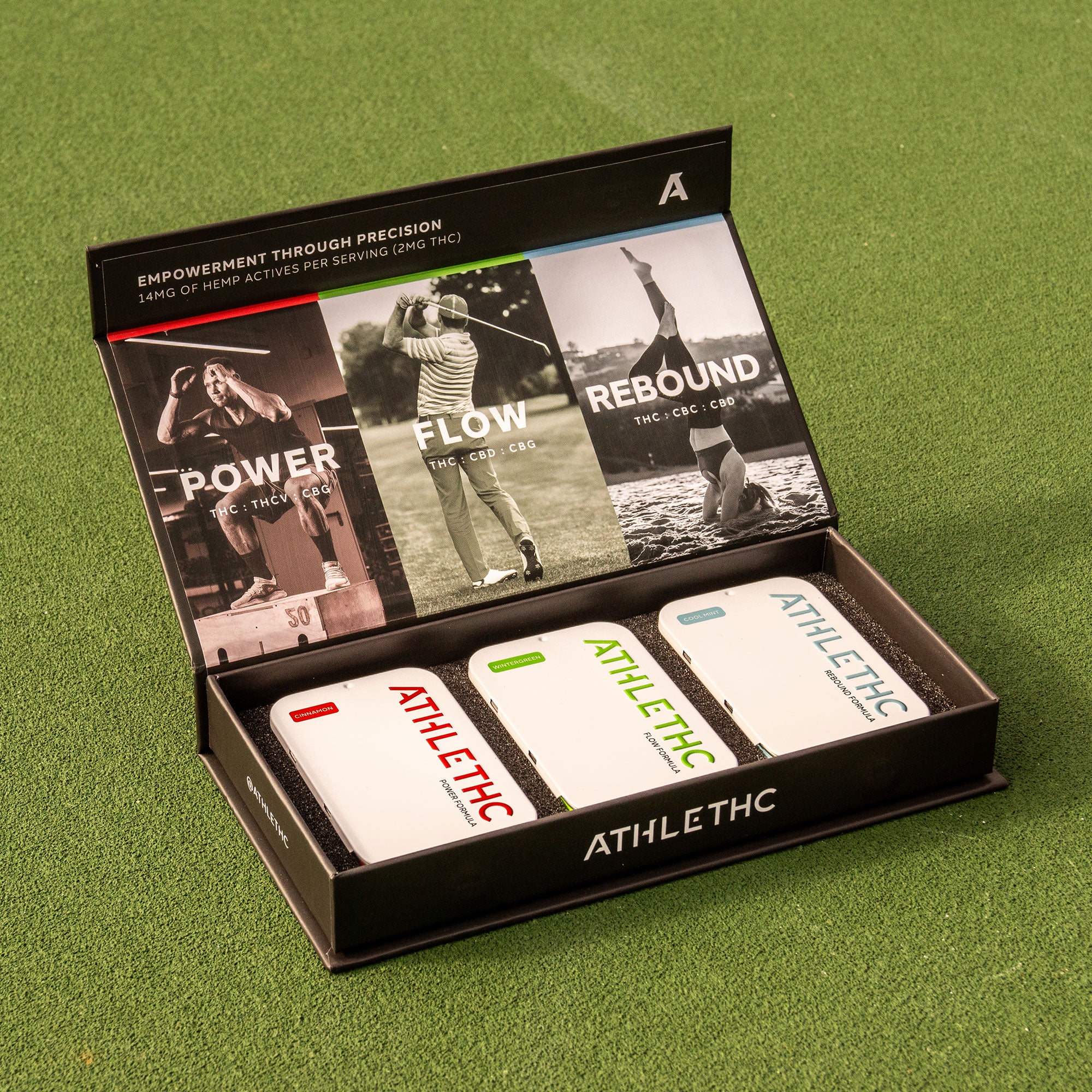
- Microdose approach… ATHLETHC is a great place to start since the dose is controlled and the mint delivery method means the athlete can avoid smoking (and the damaging impacts that could have on the lungs)
- Minimal effective dose
Step 4: Track outcomes (2-week window)
- Sleep quality
- Morning readiness
- Training performance
- Perceived recovery
- Mood/stress
Step 5: Adjust or remove
- If there’s no measurable benefit → discontinue
- If there is → refine timing and dosing
The goal is to identify what actually improves performance and recovery in a measurable way. I think ATHLETHC is clearly the right place to start. The controlled dosage, ease of administration, and edible format that can easily be incorporated into a busy day makes it a win-win-win


Are 80% of athletes using THC? Why High-Performance is Going Green
Beyond Fear with Potter Wonderland, “The Cadillac Dirtbag”